How to Take Better Hiking Pictures in the Snow
Are you looking to take better hiking pictures in the snow?
It’s winter. You’re a hiker. You like taking pictures of your hikes.
Winter landscapes can be perfect for creating stunning photos, but they can be challenging due to wintry conditions.
You want your photos to be crisp, dramatic, and magical. This can definitely be the case with winter shots. It’s just going to take a little bit more effort than just taking your phone or camera out and taking the shot.
In this guide, I’ll show you how to take better hiking pictures now, whether you use a camera or a smartphone.
Take Better Hiking Pictures in the Snow with Better Lighting
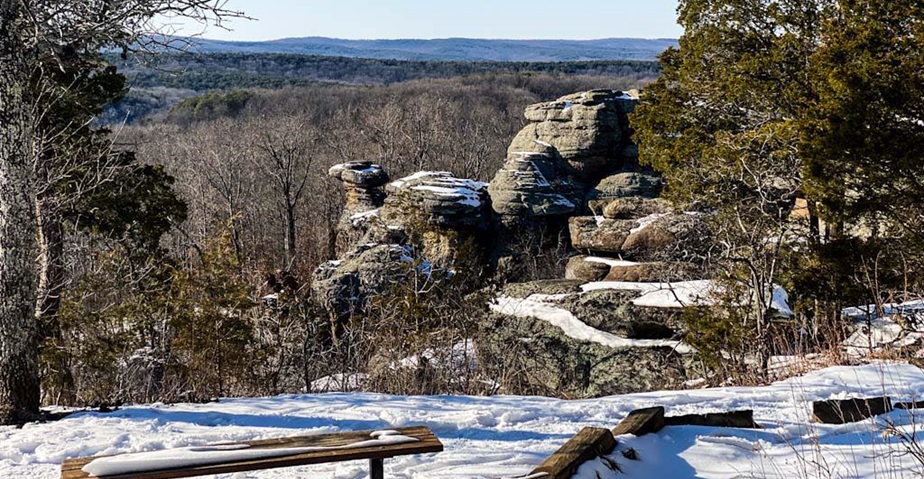
Light has a lot of the quality of hiking photos taken in the snow.
If you can wait until “Golden Hour” to take hiking pictures in the snow, you’ll have better conditions to work with. These are the hours right before sunset and right after sunrise. The snow reflects the light differently and adds some warmth details to the photos.
You also want to wait until cloudier days to take better hiking pictures in the snow. Clouds prevent the sun from giving you many harsh shadows in your photos. It also gives your photos the soft box effect, which makes them look better.
Midday is the worst time of the day to take hiking photos in the snow. This is because of all the natural lighting that will impact your photography. It will give you blown-out whites in your photos, which kills the quality of the shot.
Dial in Your Camera Settings to Take Better Hiking Pictures in the Snow
If your camera or smartphone allows you to adjust the camera settings, try to work on the following configurations to see if it helps.
Slightly overexpose a little bit. Snow often tricks your camera into automatically underexposing. Overexposing a little bit can make the photo a lot sharper and increase the quality.
If you’re good at editing, then you should shoot in RAW format. This will give you full editing capabilities. If you’re not good at editing, then don’t use RAW because it will not be useful for you in terms of the end product.
Set your white balance for “shade” or “cloudy”. Avoid blue-tinted snow shots. Use a low ISO to preserve details in bright wintry conditions.
Ensure that Your Gear Remains Winter Ready
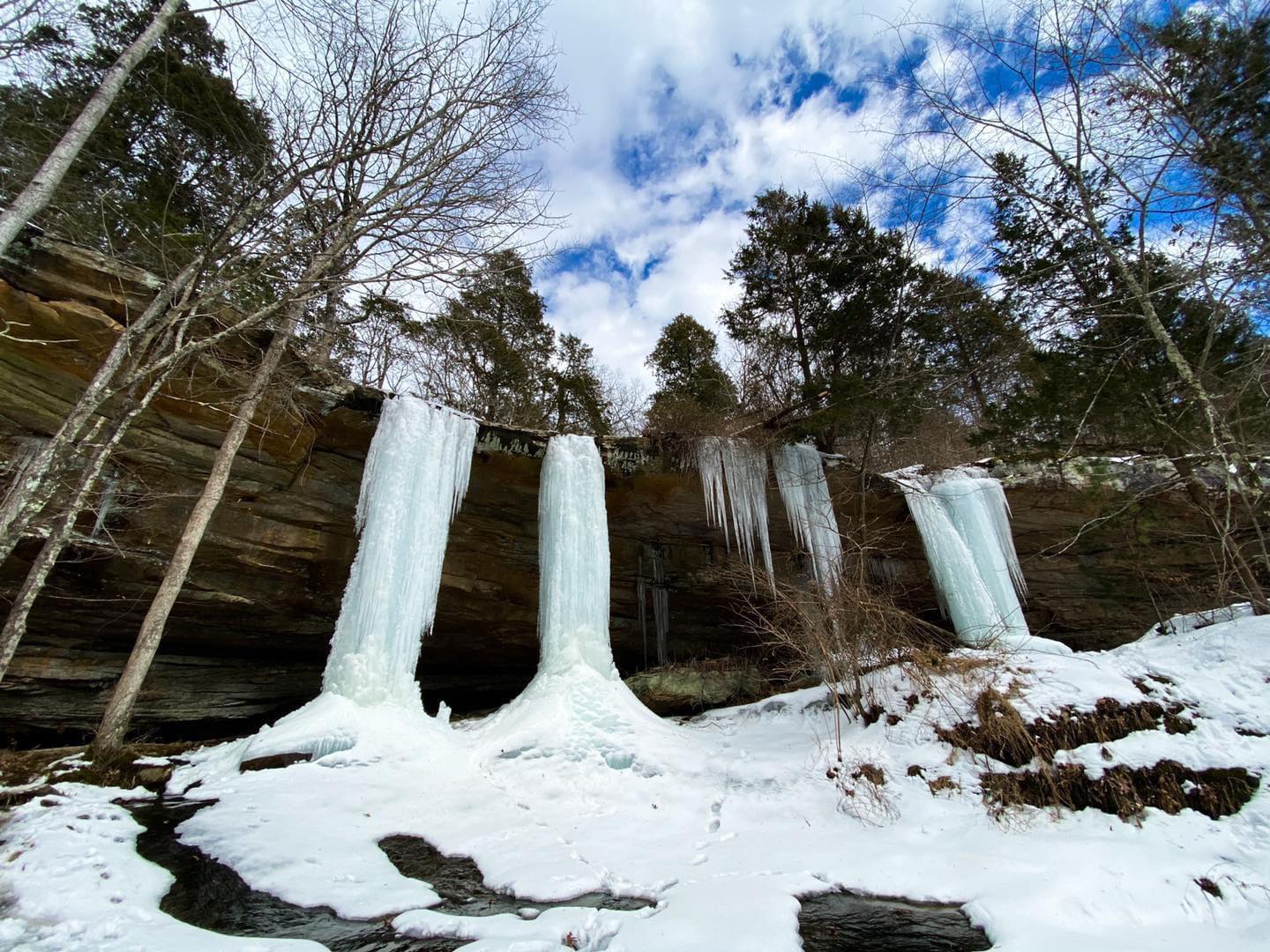
It’s important to maintain your gear for the snow and colder weather if you want to take better hiking pictures in the snow.
Protect your batteries from the cold. Keep your spare batteries in your inner pockets to use your body heat to keep them from getting cold. Cold batteries will drain much faster.
Use lens hoods on regular cameras and lenses to reduce glare. The sun hitting the snow will create a lot of glare. Lens hoods will help prevent that glare from impacting your photos by blocking a lot of the glare.
Prevent lens fogging. A fogged-up lens will keep you from being able to take photos in the cold and snow. Let your camera acclimate after going outdoors or indoors during the winter months before you get ready to take photos.
Use gloves that allow you to operate your camera or phone. When you need to take a photo quickly, the last thing you need to be doing is messing with your gloves. Get a good pair of gloves that will keep your hands warm and let you operate a camera or phone at the same time.
Composition for Impact in Snowy Landscapes and Photography
You need to compose and focus on things if you want to take better hiking pictures in the snow.
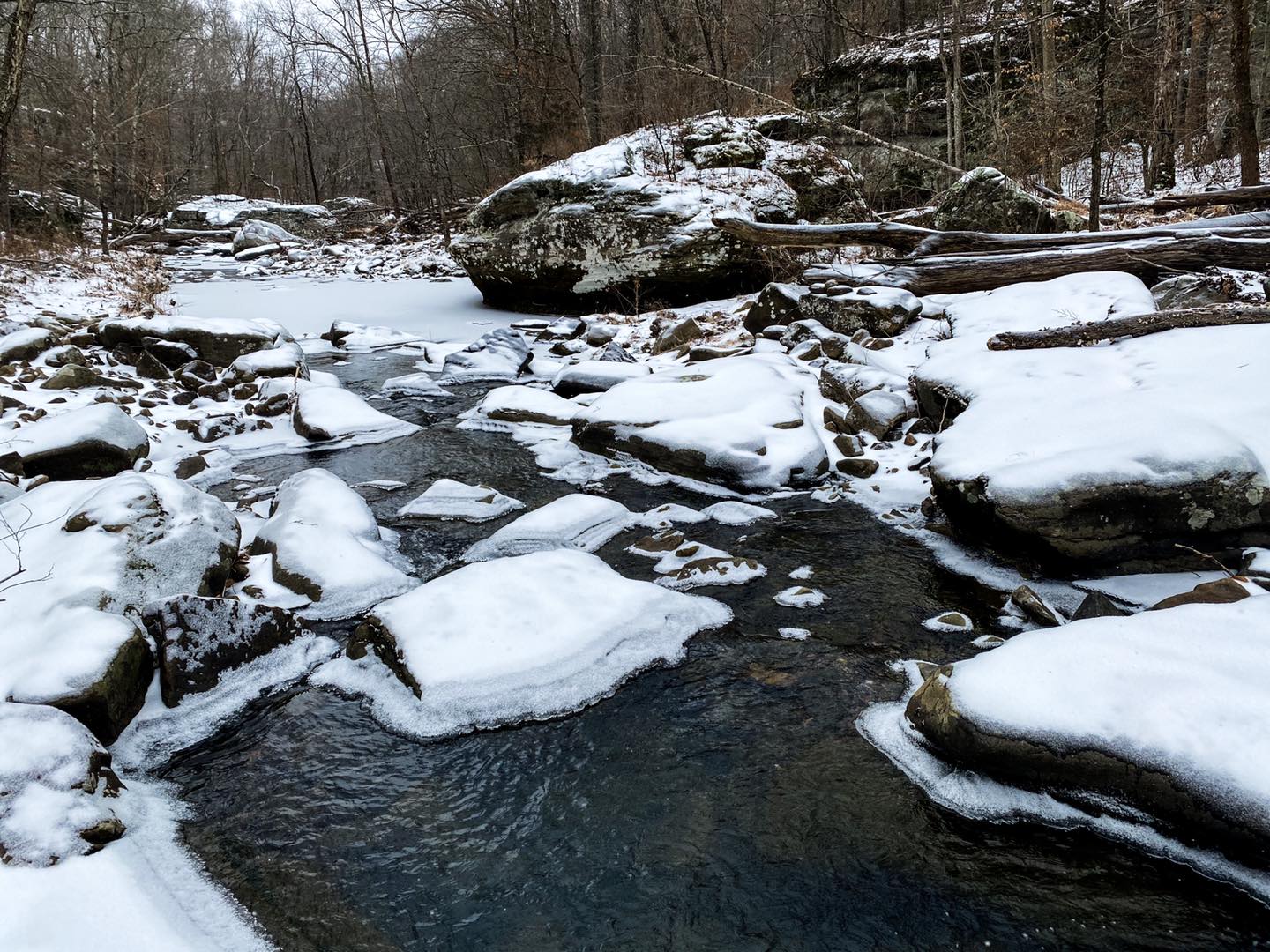
Try to find contrast and texture in your subjects. This is going to be rocks, evergreens, waterfalls, hikers, and bluffs. You want things to pop out against the snow.
Use leading lines to add composition to your pictures. These include tracks, rivers, ridges, and tree lines. These will guide the eyes of your viewers.
Try to simplify the frame as much as possible. Snow creates that minimalist effect. Use it intentionally to better the quality of your photography.
Try to add human and hiking gear elements to your photos. This includes other hikers, boots, trekking poles, tracks, and backpacks. Definitely get hikers with brighter clothing colors in your shots.
Manage the Challenges that come with Snow and Wintry Conditions
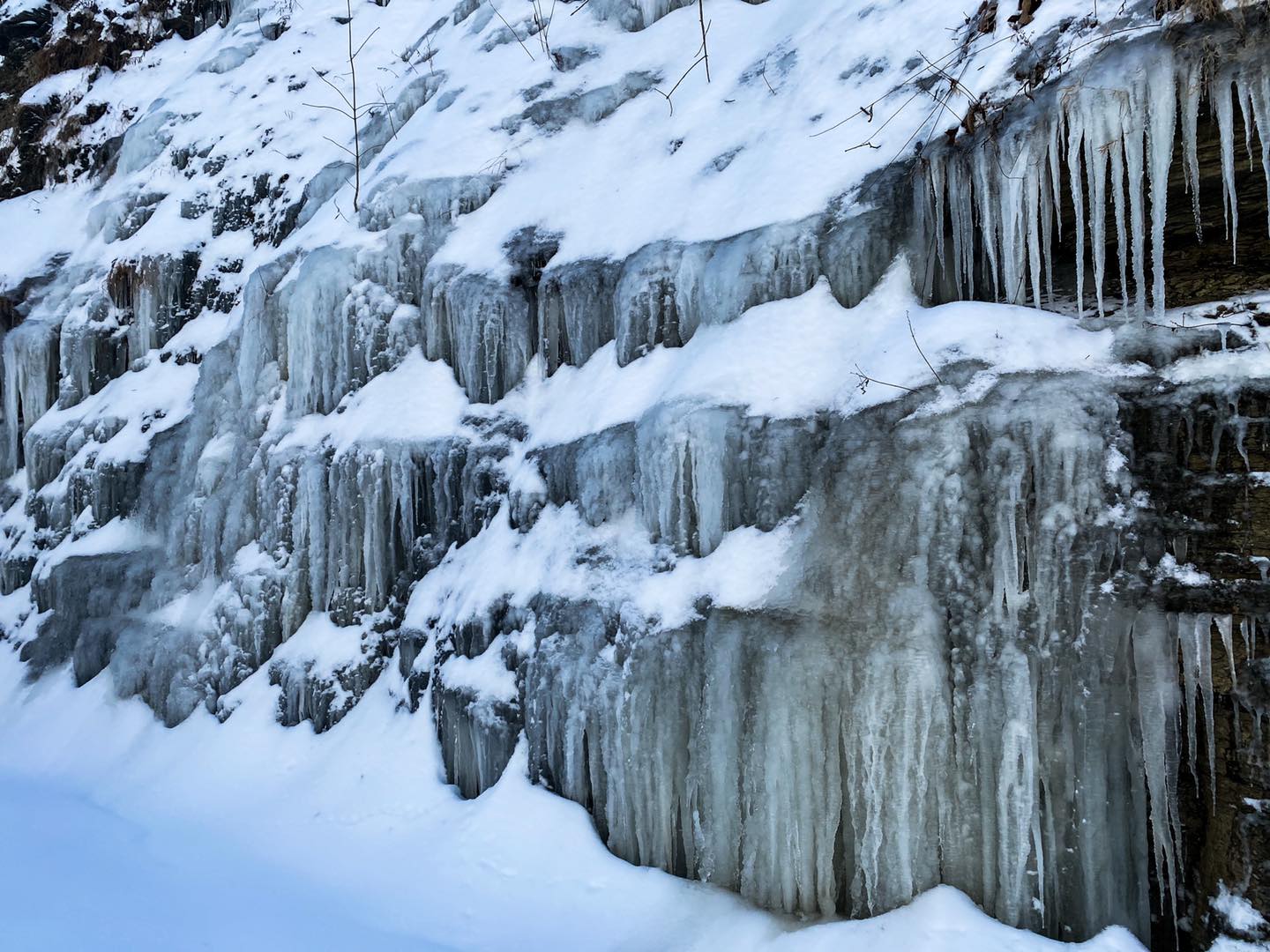
With winter comes many challenges that you will need to manage in order to take better hiking pictures in the snow.
Keep snow and wintry precipitation off your lens and camera. Use a microfiber cloth to help with this. Use lens caps when you’re not shooting, or keep your phone in your pocket covered up from the snow.
Try to shoot during lighter snowfall when exposed to the elements. This will create that magical depth and atmosphere in your shots. Get under a natural shelter if the snow is heavy and you need some protection for your gear,
Pay attention to the forecast and the wind. Precipitation and blowing snow can be magical, but they can also be problematic for your gear. Protect your camera, lenses, and phone during periods of blowing snow and precipitation.
Capture Motion to Take Better Hiking Pictures in the Snow
Look for natural motion and the atmosphere when shooting your hiking photos in the snow.
Slow your shutter speed down to capture falling snow more effectively. It will create a streaking motion effect. Falling snow can really make a winter hiking photo pop.
Use a faster shutter speed to capture snowflakes. It will make the snowflakes crisp. Snow is a wonderful subject in winter hiking photography.
Use burst mode for action shots. This will ensure that at least one or two of the photos will be really good. Burst mode would be for action like active hiking, wildlife, or snowfall moments.
Editing Your Snow Hiking Photography
When in editing mode, you’ll want to make some changes to make your photos look better.
Fix your white balance and tint until it looks better for you. Carefully adjust highlights to recover some detail in the snow. Boost contrast and clarity, and add a touch of warmth to the photo for a better impact.
You can do these things with most editing software. I use Lightroom Mobile on my phone. For my computer, I use Lightroom on it, as well.
Take Better Hiking Pictures in the Snow with Safety in Mind
There are many risks and hazards, some with hiking in the snow, and when you’re taking pictures, you increase your risk because you’re putting your attention on something else.
Try to layer up properly when going for a winter photo session. Don’t take off your gloves in extreme cold. Frostbite and hypothermia are real conditions that often occur in people hiking during cold weather.
Be mindful of hidden hazards. This can include obstacles and hazards buried in the snow, like crevices, down branches, and rocks. This can also include ice, whether you slip on it on the ground or it falls on you from above.
Know when to stop shooting and get to a warmer environment. Don’t put photography before safety. It isn’t worth dying or losing a limb just to get the perfect shot, is it?
Final Thoughts
It’s easy to take better hiking pictures in the snow if you plan it out beforehand.
While practicing safety first, make sure you utilize all the features provided by your camera or phone to make the shot better. Use various natural lighting and conditions to impact your photo. Don’t make taking a photo more complicated than it actually is.
If you enjoyed this article and you’d like to support me for writing it, I encourage you to become a Patreon Member. It only costs you a few dollars a month, and your support will help keep me online. You can easily cancel at any time if you don’t like it.
If you haven’t already, I encourage you to subscribe to my free monthly newsletter for more hiking tips, gear reviews, and upcoming local events in and around the Shawnee National Forest and Southern Illinois.
And until next time, I’ll see you on the trail!
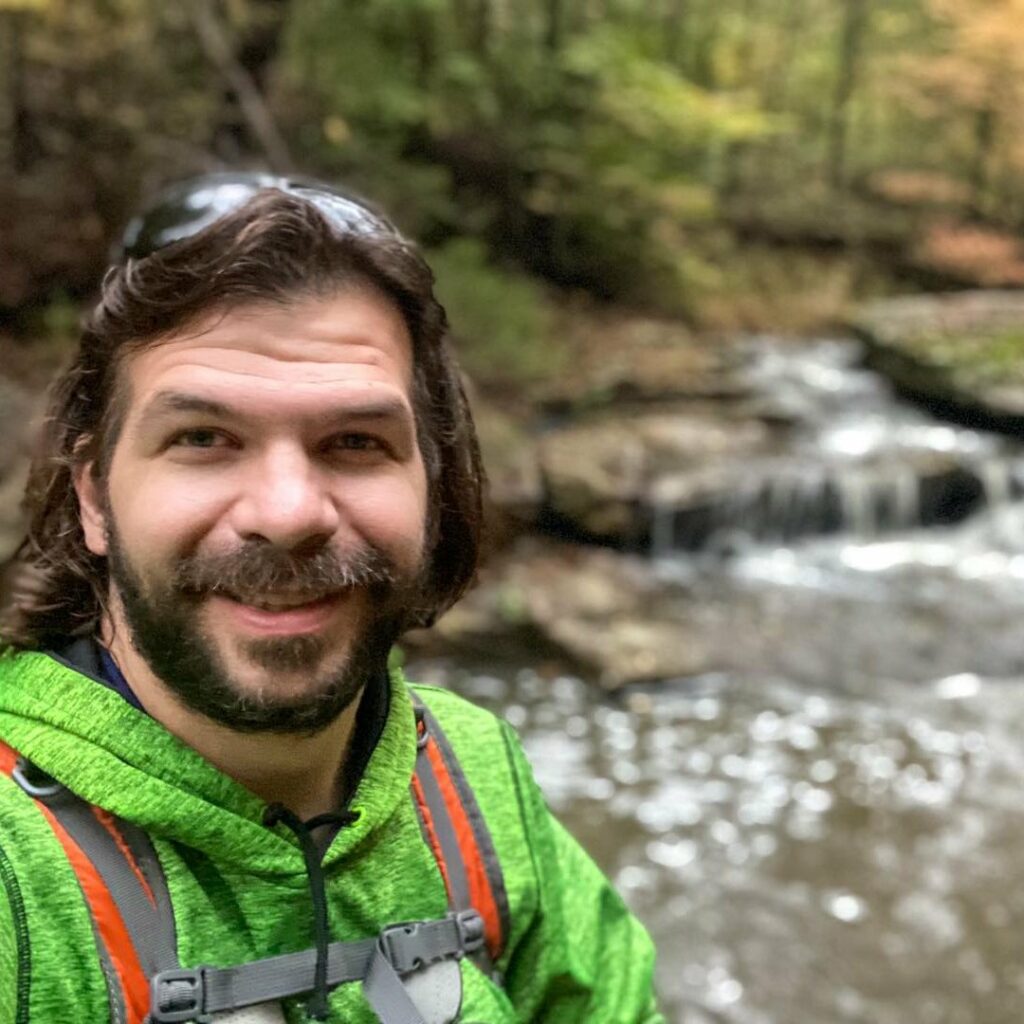
Shawn Gossman
Founder, Hiking with Shawn
Howdy folks! My name is Shawn Gossman and I founded Hiking with Shawn. I’m an avid hiker, cyclist and outdoorsman here in the Shawnee National Forest. I was born and raised in Southern Illinois and never want to leave. Click here to learn more about Shawn Gossman