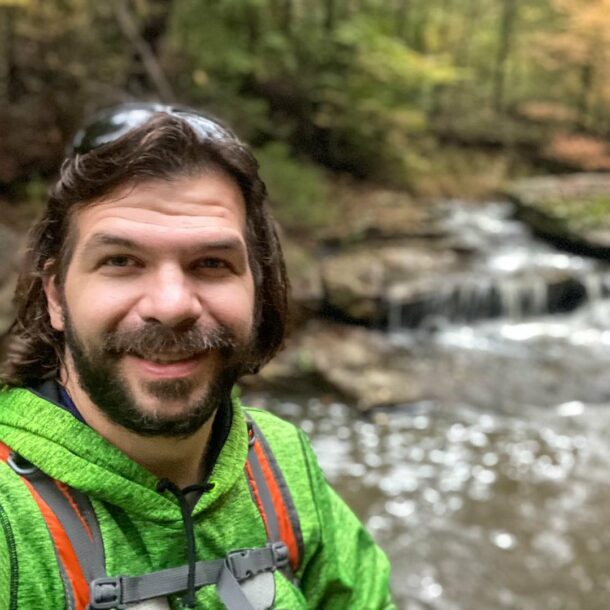
10 Pieces of Hiking Gear You’ll Appreciate After Mile 5
I have a list of hiking gear you’ll appreciate after mile 5, when you finally notice you’ve been hiking for a while.
The first couple of miles on a hike are pretty easy for the most part. However, after mile 5, things start to get interesting because your body starts to respond to the fitness of it all.
After hiking 5 miles, you can either have a great hike or a miserable one based on what types of hiking gear you’re bringing with you.
Small gear upgrades really matter on longer hikes. Your comfort and efficiency will become a critical factor on your hike. This list shows the hiking gear you’ll appreciate after mile 5, because I’m writing based on my experience hiking over 5 miles practically every time I go out.
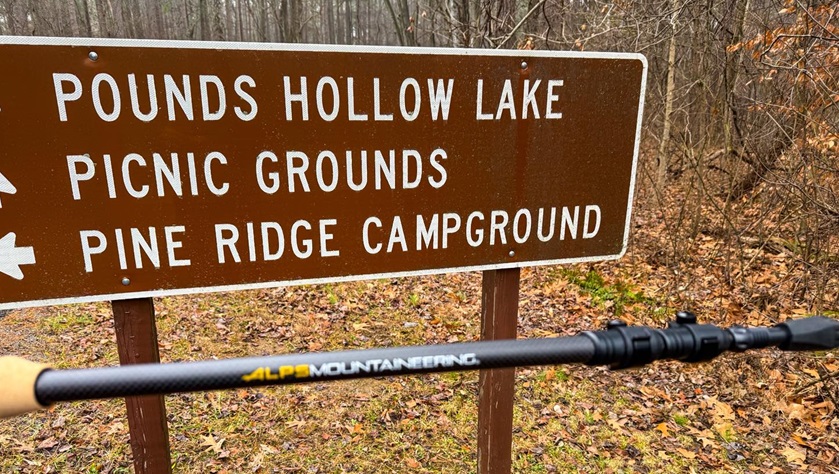
1. Trekking Poles
Trekking poles are definitely a piece of hiking gear you’ll appreciate after mile 5.
Trekking poles reduce stress on your knees. This is because without them, you’re relying on your knees to act as stabilizers. On longer, rugged hikes, I always take my trekking poles with me because I know they will make the hike easier.
As you and your body become fatigued and tired, trekking poles are a lifeline in helping you stay balanced, so you don’t have an accident.
Trekking poles are really helpful when going up and down hills. They are especially help for downhill hiking because they give you that extra stabilization. Just make sure you don’t mistake them for holding your body weight because that’s not their purpose.
Where I hike, in the Shawnee National Forest, there are many technical, rocky trails, and trekking poles are really useful on that kind of terrain.
2. A Comfortable Hydration Pack
A hydration pack is another piece of hiking gear you’ll appreciate after mile 5.
After hiking 5+ miles, you’ll want your water access to be simple. Reaching for a bottle in a pocket often means you have to stop or slow down. Most people don’t hydrate as much as they should because of this very thing.
A water bladder is easy to access on the move without stopping, helping prevent dehydration and fatigue, and keeping you moving with energy after mile 5.
A hydration pack also helps distribute and balance the weight of your pack. You keep the water in the middle as it fluctuates in quantity. Otherwise, you’ll have a water bottle with less water on one side and more on the other, screwing up your balance.
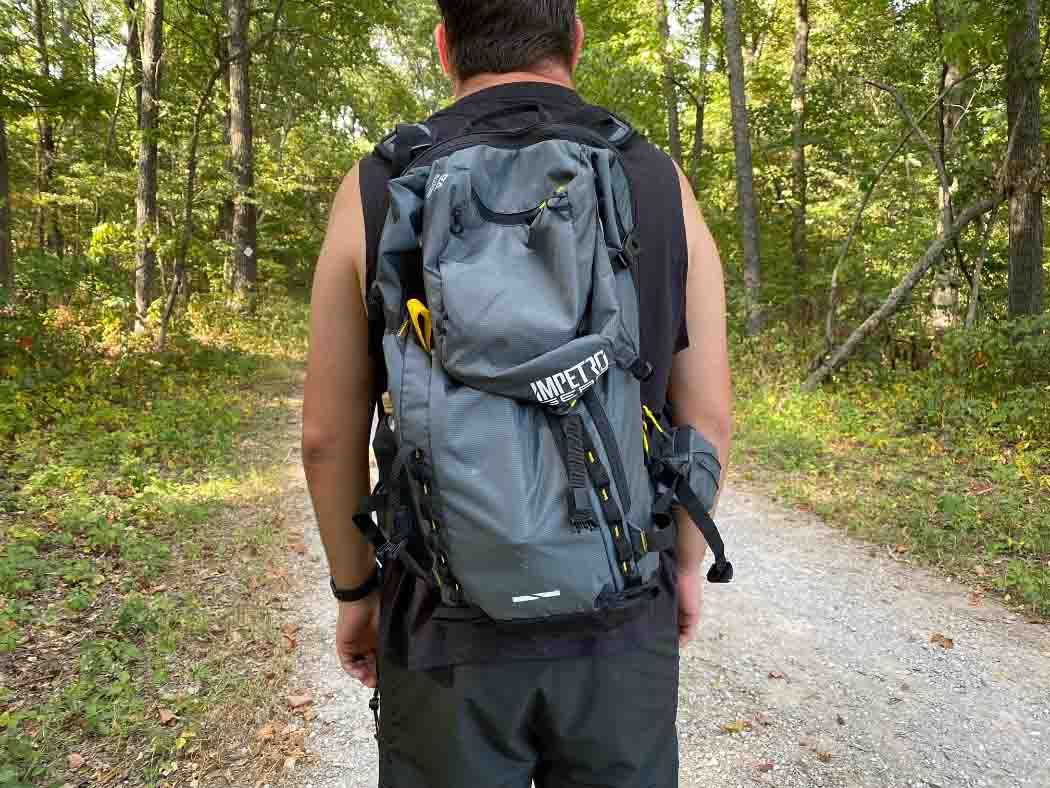
I love the hydration pack feature on my Manta 34 on longer hikes, especially when the temperatures are above 75 degrees Fahrenheit.
3. Quality Moisture-Wicking Socks
There is nothing worse than dealing with blisters on a longer hiking trip.
Blisters can ruin your hike immediately. So, it’s safe to say that any gear meant to prevent blisters is the type of hiking gear you’ll appreciate after mile 5. Lucky for you, it’s something that you’ll normally have and not add weight.
A great pair of high-quality moisture-wicking socks is all you need to prevent blisters and keep your feet happy on longer hikes.
Blisters occur when sweat builds up on your feet. You’ll get a hot spot because of the friction of your movement on the sweaty area. After a while, it forms a painful head, and the pesky blister is born.
A good pair of wool or synthetic hiking socks will help prevent blisters and hot spots by wicking moisture and keeping your feet dry.
You’ll want to make sure you choose a hiking sock. This will ensure the material wicks moisture, keeping your feet dry. It’ll also typically provide added comfort through extra padding in the sock to help absorb the shock of hiking on uneven terrain.
4. Anti-Chafe Balm
We covered socks for wicking moisture, but what about chafing?
When you’re hiking over 5 miles, you might sweat a lot in sensitive places. I know I do. That sweat can build up, as it does with blisters, and cause you to chafe in areas you don’t want to chafe.
It’s painful to chafe in your upper thighs, under your arms, and in your private areas, especially when you have to hike for quite a few miles.
A good solution for this is using anti-chafe balm. I use something called “Chamois Butt’r,” which is made for cyclists but also works really well for hiking, too. You apply it to your sensitive areas, and it’ll help keep those areas lubricated and chafe-free.
This is a really quick fix that will dramatically make hiking longer miles way more enjoyable.
5. Lightweight Snacks
One of the best pieces of hiking gear you’ll appreciate after mile 5 is snacks.
When you hike for a longer amount of time, you’ll lose natural fuel and energy, especially if you’re like me and you sweat a lot. As you lose your natural fuel and energy, you’ll start to wear down and tire out. The only way to beat that fatigue is to put fuel and energy back into your system.
This is where a good hiking snack comes into play, providing the energy and fuel you need for longer hiking adventures.
I bring snacks on every hike because most are more than just a few miles. Bring things like trail mix, energy bars, gels, and even peanut butter packets if you are not allergic to nuts. Try to eat a little of your snacks every half hour to stay fueled and energized throughout your hike.
If you don’t maintain your energy while hiking, you’ll crash, and your long hike will turn into a miserable hike that you will no longer enjoy, and that’s not what hiking should be like.
6. A Small Sit Pad
You wouldn’t think a sit pad would be hiking gear you’ll appreciate after mile 5, but it really is something that will make your hike better.
A sit pad is really underrated hiking gear. Most people ignore it because they think it adds unnecessary weight. However, it will save your bottom, and they really don’t weight that much at the end of the day.
When hiking over 5 miles a day, you’ll want to take quick breaks to help reduce fatigue, and having something comfortable to sit on really does make hiking more enjoyable.
A sit pad isn’t just comfort for your hike. It will also keep you dry if all of the surfaces you can sit on are wet and muddy. It can also protect you from the cold ground when hiking longer miles during the colder winter months.
I’d use my sit pad at scenic overlooks, creek crossings, and other scenic spots throughout my hiking to rest and eat snacks.
7. Trail Running Shoes or Lightweight Boots
You’ll really appreciate a good pair of trail runners or lightweight hiking boots after you hit 5 miles.
Your feet notice the weight of your pack and hiking fatigue more than any other part of your body. After several hours on your feet, you’ll start to notice fatigue and often soreness in your feet. You can make it better by choosing the right footwear.
Heavy hiking boots will cause fatigue because your feet have to work harder to hike in them on top of the weight above them.
Consider using a pair of trail runners instead. They’re lightweight, comfortable, and easier to hike in than heavy boots. If it’s winter or you need ankle support, hiking-specific boots are fine, but look for lighter models for a better experience.
After trying out my Merrell Trail Running Shoes, I’d prefer to wear them year-round when I go hiking because they have made hiking so much easier.
8. Electrolytes
I told you about having a snack and staying hydrated, but what about replacing the sodium lost through sweating?
Some people just need water, and that’s enough to hold them over. And then you have the rest of us, me included. Some of us sweat out so much salt that if we don’t replenish it, we lose energy even faster, and then the hike is ruined.
This happens when you lose electrolytes through sweating and replacing them helps you regain the energy you lost.
You need to add electrolytes to your water to help you stay energized and active if you sweat a lot or become fatigued on longer hikes. Add electrolyte tablets or powder mixes to your water. Make sure you’re drinking at least every 15 to 30 minutes, and more often when it’s really hot.
9. Sun Protection
Sun protection is a kind of hiking gear you’ll appreciate after mile 5 because it can help prevent you from getting skin cancer.
You wouldn’t think about it, but the sun is really good at tiring you out on a hike. Hiking is mainly done in the woods, but many hikers still get some sun exposure. Protecting yourself from the sun will help you conserve energy and stay safe.
Make sure you use sunscreen and reapply when needed, consider wearing a hat, and protect your eyes and exposed skin on sunny days.
10. A Good Backpack Fit
If your back hurts (beyond typical soreness) after 5 miles of hiking, you have a bad backpack or pack fit.
Backpacks will help tire you out on a hike. They’re often heavy, and the weight distribution is off. They put a lot of debt on your shoulders, back, and hips, and that can bring on fatigue quite quickly, especially on a longer hike.
However, if your back hurts (pain, not soreness), then you need to either get a better-fitting backpack or adjust your straps better to ensure the pack fits you correctly.
You’ll also need to work on getting lighter gear. You’ll want to distribute the weight evenly on all sides and in the middle, so you’re not constantly fighting your balance. Make sure you have a hiking pack with features to keep your back pain-free, too.
A well-fitted hiking backpack makes a huge difference, especially after you’ve hiked mile five.
Other Hiking Gear that You’ll Appreciate After Mile 5
There are a few more pieces of hiking gear you might consider making hiking 5+ miles easier and more enjoyable.
- Toe tape – Protect your toes and toenails.
- Blister kit – Deal with blisters as they pop up
- Cooling towel – Nice to have on really hot hikes
- Lightweight rain jacket – Being dry is the key to success
- Phone GPS apps – It feels good when you’re not lost in the woods.
Hiking Gear that You’ll Appreciate After Mile 5: Conclusion
The difference between a short walk and a real hike often shows up after mile five.
If you have good gear, you’ll barely notice you’ve been hiking that long. Good gear reduces fatigue and prevents painful injuries. Good gear will simply make your hike more enjoyable,
If you’ve enjoyed this article and don’t know what to do next, let me give you some suggestions:
- Subscribe to my YouTube Channel for great hiking videos.
- Follow me on Facebook, Instagram, Threads, and X.
- Give me a one-time tip for making this article.
- Become a Patreon Supporter to get even more from me.
- Join my free online hiking and backpacking forum.
- Subscribe to my free monthly newsletter for more hiking tips.
And until time, I’ll see you on the trail!
Shawn Gossman
Founder, Hiking with Shawn
Howdy folks! My name is Shawn Gossman and I founded Hiking with Shawn. I’m an avid hiker, cyclist and outdoorsman here in the Shawnee National Forest. I was born and raised in Southern Illinois and never want to leave. Click here to learn more about Shawn Gossman