
Winter Hiking with Dogs: Safety, Gear, and Paw Care
Winter hiking with dogs can be an incredible experience because you’ll deal with fewer crowds, cooler temperatures, and happy pups.
However, there are associated risks to consider. Some risks are unique to dogs when comparing them to humans. It’s important to understand the safety aspects of hiking with your dog in the winter.
In this article, we’ll go over the best ways to go winter hiking with dogs, covering what gear to take, paw protection, and safety during colder weather.
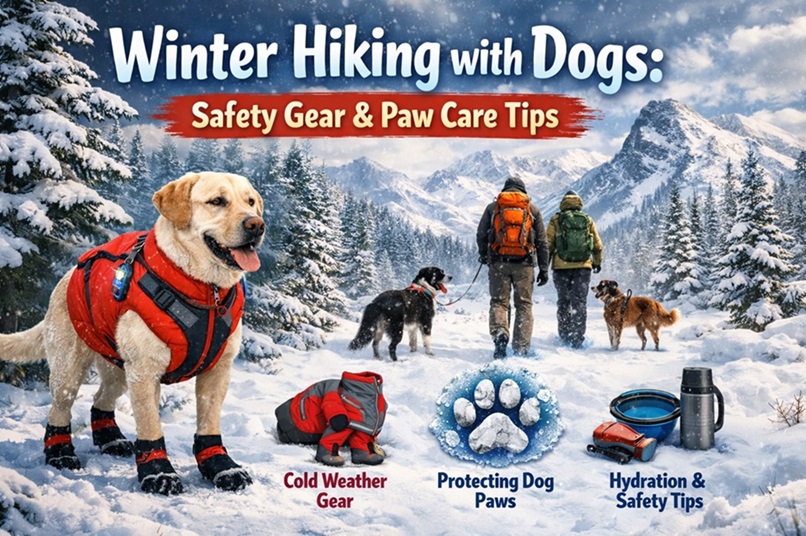
Is Your Dog Ready for Winter Hiking?
Winter hiking with dogs only needs to happen when your dog is actually ready to go hiking during the winter months.
You need to consider the breed, as not all breeds are developed to withstand the cold like other breeds are. The size and age of the dog matter especially for the strength and durability of the dog. You should also understand the coat on your dog and whether it will truly keep them warm or not.
Is your dog conditioned for a hike in the winter? Have you taken your dog hiking during the other seasons? They’re just like humans in a sense, as their fitness levels need to be improved just like ours in order to hike in more rugged conditions.
Your dog will either enjoy winter hiking, tolerate it, or dislike it. It should be easy to tell if they enjoy or dislike it. However, telling if they’re just tolerating it might be harder to figure out, so it’s important to watch how they act and read up on that behavior later on.
Winter hiking with dogs isn’t a good idea when the dog shows obvious signs that it doesn’t like the cold. If the dog isn’t running around, being playful, and seeming happy, then it likely is uncomfortable hiking when it’s cold. Also, like with humans, extreme winter conditions are just as dangerous for dogs (if not more dangerous) as they are with humans.
Essential Safety Gear for Winter Hiking with Dogs
Make sure you pack the right gear when winter hiking with dogs so that your dog can be safe and comfortable.
A cold-weather dog jacket may be needed for some breeds. This is based on their coat and fur. Consider the weatherproofing of dog coats and ensure you get one that isn’t going to rub in sensitive areas or restrict their movement.
You should also bring visibility gear for your dog when hiking in the winter. Reflective vests, LED colors, and leash lights are a good idea. Days are typically shorter during the winter months, and visibility can be reduced by fog, snow, and overcast forests.
Bring the proper leash or harness you need for your type of dog. By allowing dogs to go off leash, you’ll increase their risk of danger, whether it’s getting lost, sliding off the cliff, or even having a dangerous interaction with wildlife. Consider your ability to keep control of your dog on a leash or harness in ice, mud, and slicker conditions.
Paw Care for Winter Hiking with Dogs
Winter hiking with dogs calls for essential paw care because winter is so hard on their paws.
Winter is rough on a dog’s paws for multiple reasons. The ice, snow, rock salt, and frozen ground are cold and hard on them. Cuts and cracking in the pads of their paws are often susceptible to chemical burns from ice melt tracked in by hiking boots. Most dogs won’t show pain right away, but at some point, they will suffer from it.
In many cases, winter hiking with your dog might require the use of dog boots or even paw wax. Dog boots definitely have its pros and cons, and wax is best used on shorter and less rugged hikes. You may need to combine both on extreme cold hikes and environmental elements.
Try to make it a habit to check your dog’s paws frequently during the hike. Look for ice buildup between their toes and grit collection. Carry some wipes and a small towel to do some quick paw cleaning along the trail to keep their feet free of wintry debris.
Make sure you spend extra time caring for their paws after a hike. Rinse off any salt, grit, and wintry elements. Dry the paws thoroughly, apply balm or moisturizer if needed, and keep an eye on their paws and how they walk to detect any injuries that may have occurred.
Cold Weather Safety Tips for Winter Hiking with Dogs
Consider these tips to help keep your animal safe when hiking with them in wintry conditions.
Just like humans, dogs need to stay hydrated. Humans are bad about hydrating properly when it’s cold because we often don’t feel thirsty. Make sure you hydrate often and offer your pup some water at the same time.
Watch out for hypothermia in your dog. If the dog becomes fatigued all of a sudden, then something is wrong. Check for shivering, coloration changes around its mouth and eyes, and overall behavior and health appearance.
Dogs can get frostbite just like humans. They can also suffer the same fate as humans, including death and loss of limbs. Check for frostbite symptoms around their paws, tails, and ears.
When your dog no longer looks like it’s enjoying the hike, then it’s time to turn about and go back. Don’t push your dog to an extreme because they will keep going a lot of times because of their love and commitment to us. However, you might be setting your dog up for a grave disaster by pushing them during winter hiking.

Trail and Weather Conditions in Winter
Before going winter hiking with dogs, check the conditions to see if it’s safe for both you and the dog in the first place.
Check the weather conditions for your area. Look at the current conditions and what’s coming later in the day. Check for trail updates, closures, and hiker reports before you head to the trail.
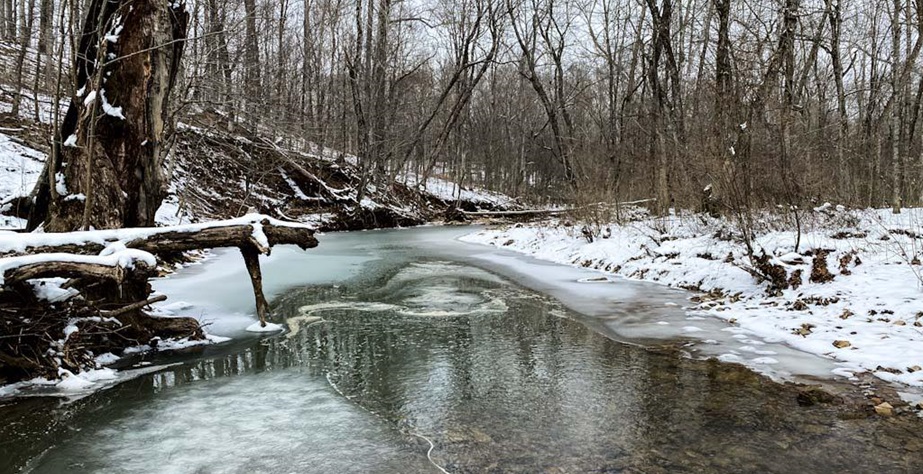
Consider ground hazards where you’re hiking. Are bluffs covered in ice? How about boardwalks and creeks? How dangerous will the surface be for you and your pooch?
Consider freeze-thaw cycles. You might start out in the morning while the ground is frozen. However, once you start hiking back, it might have thawed out to a muddy and slippery mess.
Adjust the mileage of your hike for your dog based on their abilities. Dogs seem like they can go farther than humans, but in reality, most will start to experience issues going too far. You might need to take a shorter hike at first and gradually increase the mileage as your pup gets better at hiking in the winter.
What to Pack for Winter Hiking with Dogs
Try to pack some extra gear for your dog when they join you during your winter hikes.
You’ll need to bring some extra food and treats for your dog. They’ll probably need to eat more than you eat because they burn so much fuel, especially during zoomies playing in the snow. Bring a few bags of your dog’s food and some treats for snacks, just like you’d bring for yourself.
Bring an emergency blanket for your dog, just in case. If you’re carrying the 10 essentials of hiking as I suggest, then you have an emergency blanket for yourself. Your dog needs one too, just in case he or she gets really cold, and you need to help warm them up.
Have a paw protection kit with you. This could include some first aid supplies, paw wax, dog boots, a towel, some paw balm, and even a brush to lightly scrub debris from the paws. You should bring an extra kit with you just in case.
Bring a collapsible bowl with you for the dog’s hydration needs. Groundwater isn’t always the safest water to drink without filtering it first. You should bring unfrozen water with you that will be given to your dog for hydration purposes.

Common Mistakes People Make Winter Hiking with Dogs
Don’t make these common mistakes when doing winter hiking with dogs.
- Don’t assume fur means that the dog will stay warm and dry. This isn’t always the case. You should research the coat and fur of your breed to understand its conditioning features.
- Don’t ignore paw care. Humans wouldn’t hike barefoot in the winter and not pay attention to their feet. Why on earth would you treat a dog the same way?
- Don’t overestimate the endurance of your dog. Your dog might appear to be a great winter-time adventurer, but for how long? Dogs aren’t superheroes; they wear out just as much as humans do.
- Don’t skip out on the post-hike check. Make sure your dog’s feet and paws are clean of debris. Do a check about their feet, tail, and ears to make sure frostbite hasn’t occurred, and watch for injury behavior later on to ensure that they didn’t get hurt on the hike.
Final Thoughts
Winter hiking with dogs can be a very safe and rewarding experience as long as it’s done with preparation and care towards the animal.
Taking the right dog gear and paw care is not optional during the winter. If you’re a responsible and loving pet owner, you will definitely do these things. Remember to start out small and gradually increase as the dog gets more acquainted with hiking.
If you’ve enjoyed this article, consider becoming a Patreon Member for as little as $3 a month to help support my efforts. If you don’t like it, you can easily cancel at any time.
Be sure to subscribe to my free monthly newsletter for more hiking tips, gear reviews, and upcoming local events around Southern Illinois.
And until next time, I’ll see you on the trail!

Shawn Gossman
Founder, Hiking with Shawn
Howdy folks! My name is Shawn Gossman and I founded Hiking with Shawn. I’m an avid hiker, cyclist and outdoorsman here in the Shawnee National Forest. I was born and raised in Southern Illinois and never want to leave. Click here to learn more about Shawn Gossman