
How to Hike Comfortably When You Sweat a Lot

Having the goal to hike comfortably when you sweat a lot is pretty understandable.
I’m 6’5” tall, and I weigh 250 pounds. Needless to say, I sweat a lot when I hike. I have a lot of experience in being uncomfortable due to a sweaty hike, and gladly plenty of experience on how to overcome it and not let sweat ruin the hike.
Sweat causes a lot of problems. It can lead to overheating in the summer and hypothermia in the winter. It can soak your clothes, cause chafing, and make you stink.
Being all sweaty is very uncomfortable, and it can ruin the hiking experience.
So, I wanted to write a guide about how you can hike comfortably when you sweat a lot. This is the real deal based on my experience, not just another “drink more water” guide.
If you find this guide to be helpful, consider leaving me a one-time tip for publishing it free of charge.
Sweating a Lot on Hikes Is More Common Than You Think
Some hikers naturally sweat more than others. I sweat a lot. My wife rarely sweats, even on the hottest of days.
Your fitness level doesn’t determine your sweat level. My wife only hikes. I hike, bike, and trail run, yet I sweat way more than she does. Some people sweat based on fitness levels, while others do not.
What makes us sweat more on hikes is the heat, humidity, hiking effort, pack weight, sun exposure, and especially the type of clothing we wear.
Your goal should never be to stop sweating entirely. It’s healthy to sweat. However, a goal to hike comfortably when you sweat a lot is a good goal to start with. Managing sweat to make your hike comfortable and safe is the idea here.
Start with the Right Clothing System
The first step on how to hike comfortably when you sweat a lot is to choose the right clothing for hiking activities.
Skip Cotton Completely
Have you ever heard the saying, “Cotton kills?” It’s true.
Cotton traps moisture from your skin and keeps it in the fabric. You’ll stay wet where the moisture is trapped. Cotton doesn’t wick moisture from your body, and it doesn’t keep you dry.
Wet cotton leads to chafing and discomfort. If it’s cold, it can even lead to you becoming frostbit or getting hypothermia.
The only time cotton is ever recommended is when hiking in the desert. In some cases, cotton can help keep your skin moisturized when the weather is really hot and dry.
Choose Moisture-Wicking Base Layers
Skip cotton and choose moisture-wicking base layers for your hiking kit.
In the cold, stick with wool layers like Merino Wool shirts and tights to help keep moisture away from your skin. In the summer, you can choose synthetics like polyester and spandex.
It’s best to choose clothing with fabrics that are lightweight if you want to hike comfortably when you sweat a lot.
Wear Hiking Clothes That Dry Fast
You should also wear clothing that dries really fast, like hiking-specific or exercise apparel.
In the winter, I wear compression shirts and tights. In the summer, I tend to wear half tights used for running and dry-fit-type shirts. I stick to synthetics like Lycra, spandex, polyester, and nylon for the best results.
Even the socks and underwear you choose need to be made of material that is meant to wick moisture from the body.
You’ll notice a big difference when you start wearing these types of clothing styles on your hike.
Use Ventilated Layers Instead of Heavy Ones
Even in the colder months, you should layer in ventilation rather than choosing clothing that is too heavy and too warm.
Too heavy and too warm means you’re going to sweat more. If it’s cold out, that sweat can make you cold and cause all sorts of cold-related injuries that you don’t want.
Instead of heavy clothing, wear light clothing but in layers.
Compression shirts with lightweight sun hoodies and breathable shirts, tights or leggings with breathable pants or insulated leggings over them.
Make sure you can add or remove layers to help balance your warm and cold air intake.
Pick the Best Colors and Fits for Hot, Sweaty Hikes
The color of your clothing and gear, and how it fits, can also help you hike comfortably when you sweat a lot.
Lighter Colors Can Feel Cooler in the Sun
Lighter colors often feel cooler in the sun.
Avoid black and dark colors. Use lighter colors if you have sun exposure while hiking on the trails.
Avoid Tight Clothing in Problem Areas
Tight clothes can help some hikers and make it worse for others.
I wear a lot of compression and spandex on my hikes, and it helps me. However, tight clothing can make others have chafing issues.
You may want to experiment with this and see what’s best for you.
Loose but Not Baggy Is Usually Best
If tighter clothing doesn’t meet your needs, choose looser clothing instead.
Loose is good, but really baggy clothing may trap heat and cause you to sweat even more. You want airflow without extra rubbing from really baggy clothing, too.
Prevent Chafing Before It Starts
It’s a good idea to try to prevent chafing before it starts if you want to hike comfortably when you sweat a lot.
Focus on Common Hot Spots
Try to focus on common hot spots where you’re most likely to have chafing problems:
- Inner thighs
- Groin
- Underarms
- Nipples
- Under sports bras or pack straps
- Lower back
- Buttocks
Consider how your clothing and gear interact with these sensitive areas and what you can do to make the interaction positive without leading to chafing problems.
Use Anti-Chafe Products Early
Consider using anti-chafe products early on your hike or even at the start to help keep sensitive areas chafe-free.
There are many creams, powders, sticks, and balms available to help lubricate your sensitive areas. You may need to apply initially and then again later on as you sweat much of it away during the hike.
It’s ideal to choose a product type that would be easy to apply while hiking.
Choose Better Underwear and Socks
Choose better undergarments when hiking to help prevent chafing and sweat discomfort.
The seams should be smooth and placed in a way that won’t irritate your sensitive areas. The fabric should also be moisturized, wicking, and synthetic or wool-based. You need to make sure the fit is correct for your body.
Moisture-wicking underwear and quality hiking socks are worth it at the end of the day. Without them, you might expect chafing and blistering to occur.

Manage Sweat with Smart Hydration
We all sweat when we hike, and the best way to deal with it is to actually try to deal with it, but using smart tactics in dealing with it.
Drink Consistently, Not Just When You Feel Bad
Don’t wait until you start feeling like crap before you start hydrating.
Waiting too long will cause fatigue and make your hike harder. Once your hike is harder, it’ll be more demanding for hydration and fuel. You’ll also sweat even more.
Hydrate consistently every 15 to 30 minutes and take a bite from your fuel, too. Set a timer on your watch or phone to remind you if you need to be reminded.
Replace Electrolytes on Longer or Hotter Hikes
During hot and humid temperatures, you’re going to sweat even more.
You lose sodium when you sweat. That’s why sweat is so salty. It’s natural sodium in your body, and your body needs that sodium to stay hydrated and fueled.
Add electrolytes to your water, especially when you’re hiking in warmer weather. These will put sodium back into your body and help you recover faster.
Water alone will usually not solve all your hydration problems.
Learn the Signs You’re Falling Behind
You need to understand the symptoms of having issues where fatigue is taking over, and you’re not hydrating and fueling properly.
- Headache
- Dizziness
- Cramping
- Feeling weak or unusually irritable
- Salt stains on clothes can be a clue, too.
When you start feeling like this, you need to stop, rest, fuel, and hydrate.
Adjust Your Pace So You Don’t Overheat Early
Sometimes you need to just hike a little slower, so you don’t get yourself into trouble later down the road.
Start Slower Than You Think You Need To
Don’t start speed hiking right off the bat.
When it’s hot out, that first mile can lead to overheating if you’re overdoing it from the start.
Start out slow and get a feel for the conditions, and then speed up if you feel comfortable about it.
Take Short Cooling Breaks Before You’re Exhausted
Rest when you feel like your body needs to rest.
Stop for a few minutes. Get in the shade. Sit down on a rock or stump. Meditate for a moment.
Small breaks throughout your hike often give you more energy to complete the hike without feeling any fatigue at all.
Hike Steady on Climbs
When you get to a climb, slow down and hike up the hill steadily.
Big bursts of effort can trigger even more sweating and overheating. Stick to smaller efforts and keep a comfortable but slower pace.
Going too hard on hills can really put a damper on the rest of your hike.
Use Your Route and Timing to Your Advantage
Consider your route and timing when choosing where to hike on a hot and humid day.
Hike Earlier or Later in the Day
Start hiking at the crack of dawn or in the evening hours if you can’t hike early.
Avoid peak heat when possible. That’s around noon and early afternoon. That will be the hottest time of the day.
Look for Shade, Water, and Breezier Routes
Choose a route that has shade and is exposed to the wind.
Hike on forested trails that are above canyons and hollows. You want to have shade, but you also want to get exposure to the wind to help cool you off. Trails exposed to the sun or those in hollows will be very hot and humid.
Save the Toughest Climbs for Cooler Conditions
Try to choose a route in the summer that isn’t full of hills.
Keep hillier hikes for seasons that are cooler and not humid. Elevation gain on top of heat and humidity can really make a hike more miserable than it needs to be. Stick to flatter trails when it’s hot and humid.
Make Your Backpack Less Miserable
Your backpack and what you put in it can do a lot of good and do a lot of bad when it comes to hiking in warmer weather.
Choose a Pack with Good Ventilation
First, you need to have the right type of hiking backpack to help reduce sweat issues while hiking.
Don’t use a traditional school backpack for hiking. They haven’t made it. Use a hiking-specific backpack with adjustable straps, support, and ventilation features to help keep you dry.
Lighten Your Load
Try to only carry what you absolutely need to help reduce weight, which will make you sweat more because your load is so heavy.
You can still carry the essentials of hiking. You shouldn’t carry extra things that you’ll never use. You shouldn’t double up on gear, either.
Expect Some Sweat Under the Pack
Sweat will happen with any backpack choice, no matter what, because it’s natural.
You can minimize sweat between your back and backpack by carrying less and choosing the right backpack. However, it’s still going to happen a little bit because of friction and material. You should also wear shirts and bottoms that wick moisture to help keep you dry.
Pack a Small Sweat-Management Kit
Pack some items to bring with you to help with dealing with sweat on the hiking trail.
- Extra shirt
- Small towel or bandana
- Electrolytes
- Anti-chafe product
- Dry socks for longer hikes
Use these items when you absolutely need to use them.
Have a Plan for Breaks and Summit Stops
In order to sweat less and become fatigued less, you need to stop and rest often on days when the temperature is hotter than normal.
Don’t Stay in Soaked Clothes Too Long When You Stop
If it’s cold out, you don’t want to be in soaked clothing. It can lead to frostbite and hypothermia. It’s not as big of a deal with it’s hot outside, though, unless your clothing isn’t the kind that wicks moisture.
Throw on a Dry Layer During Long Breaks
Even sweaty hikers can get chilled fast once they stop moving. If you have something dry to put on during longer breaks, like an extra shirt, that might help out a lot. It’s always wise to carry extra layers, anyway.
Change Socks or Shirts When Needed
A small reset can make the second half of the hike much better. Carry an extra pair of socks and a shirt with you on all your hikes. This works when it’s cold out and when it’s really hot and humid.
Best Accessories for Hikers Who Sweat a Lot
Consider adding these sweat accessories to your gear list.
- Sweat-wicking hat or visor
- Headband or buff
- Sunglasses for squint-reduction and comfort
- Trekking poles to reduce effort on climbs
- Cooling towel for very hot hikes
- Extra bandana for wiping sweat
I carry a small towel with me that is perfect for keeping sweat off my head, face, and neck.
Mistakes That Make Sweaty Hikes Worse
Avoid these sweat-producing mistakes if you want to have a better hiking experience.
- Wearing cotton – cotton doesn’t wick sweat, it holds it in.
- Starting too fast – this is a good way to fatigue yourself early and sweat from the start.
- Overdressing – everything will get soaking wet really fast, and you’ll be super uncomfortable.
- Ignoring chafing until it hurts – once it starts to hurt, it will ruin the entire hike.
- Drinking only plain water on long, hot hikes – electrolytes will keep you energized and put sodium back into your body.
- Carrying a heavier pack than necessary – a good way to sweat even harder.
- Taking long breaks in soaked clothes – take smaller breaks or change into drier shirts and socks when taking a longer break.
You’ll discover your own mistakes the more you hike, and you’ll find interesting hacks to be able to overcome them on your next adventures.
When Heavy Sweating Might Be a Bigger Issue
Sometimes heavy sweating is just normal for that person. I’m 6’5” tall and 250 pounds. I sweat a lot, whether it’s freezing cold outside or sweltering hot.
But sudden changes, dizziness, confusion, nausea, or heat illness symptoms should not be ignored. That’s when sweat is from an underlying condition. That’s when you need to take action to avoid a critical mistake,
Overheating is as serious as getting frostbite or hypothermia in the cold. Seek medical advice if you tend to overheat on the trail. Ignoring it could lead to serious injuries and even death.
Hike Comfortably When You Sweat A Lot FAQ
Is it normal to sweat a lot while hiking?
In most cases, it is. It’s normal to sweat if you sweat a lot in general. It’s normal to sweat if you hike in hot and humid weather. It’s not normal if it’s leading to injuries and illnesses. In that case, seek medical attention.
What should I wear hiking if I sweat a lot?
Wear clothing made to manage moisture, such as hiking-specific clothing or fitness apparel.
How do I stop chafing on sweaty hikes?
I stopped chafing issues by wearing compression clothing like half tights and dri-fit shirts. You might stop chafing by wearing loose clothing. It really depends on the person. You should also try anti-chafing lubricants, especially if you’re bigger.
Should I drink electrolytes when hiking in hot weather?
Yes. This is a must. Water alone will not keep you energized and awake. You need to replace sodium, especially if you have sweated a lot.
Are merino wool clothes good for sweaty hikers?
Yes. Merino Wool, especially in the winter. Other clothes that are good for hiking include polyester, nylon, and spandex. Dri-fit clothing is a good idea. Avoid cotton, leather, and denim at all costs.
Final Thoughts on Hiking Comfortably When You Sweat A Lot
Hiking comfortably when you sweat a lot is easy to accomplish, but if you do sweat a lot, rest assured, hiking is still likely a good activity to keep doing.
You just need to prepare yourself better for sweating on hikes. Wear the right clothing, slow down, hydrate often, and prevent friction that leads to chafing. Small adjustments can make a huge difference on your hikes.
If you enjoyed this article and you’d like to see more exclusive content by me, consider becoming a Patreon Member for as little as $3 a month.
If you like discussing hiking and backpacking with others, join my free online community made for hiking and backpacking all over the world at The Hiking Forum.
Subscribe to my free monthly newsletter for more hiking tips, gear reviews, and upcoming local events in and around the Shawnee National Forest.
And until next time, I’ll see you on the trail.
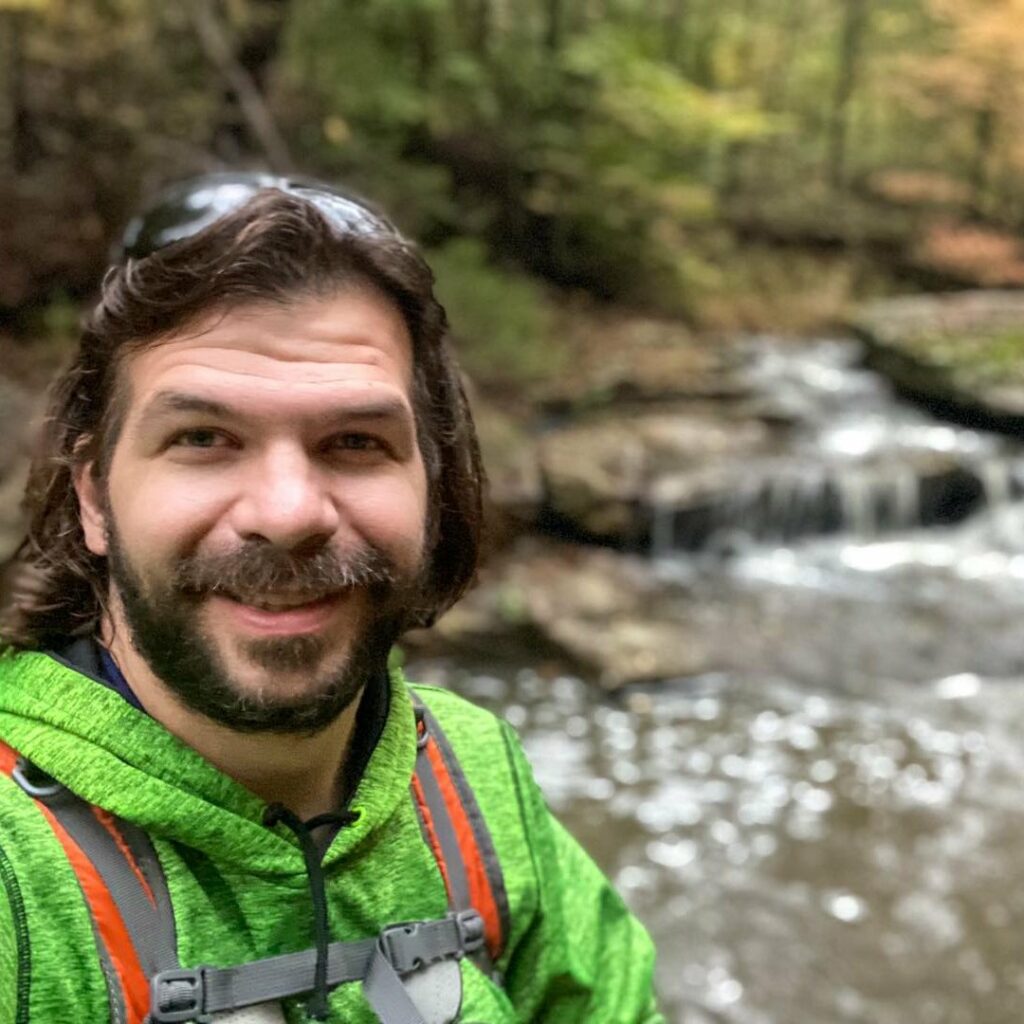
Shawn Gossman
Founder, Hiking with Shawn
Shawn Gossman, known regionally as Hiking with Shawn, is the founder and senior editor of this blog. Shawn has been hiking the Shawnee National Forest for over 15 years. Shawn is a Southern Illinois native and very active in the local tourism community. Learn more about Shawn here.