
How to Spot Hiking Trail Hazards Before They Become Injuries

Would you like to learn how to spot hiking trail hazards before they become huge, expensive medical bills?
There are many hazards along the hiking trail. Most of the time, we’re too fixated on cool things to look at to notice them. Once we do notice them, it is often too late.
The warning signs are always present, but it’s really up to us to notice them before they turn into an injury.
In this guide, I’m going to show you how to spot hiking trail hazards before they become injuries. The last thing you need to do is go to the ER when you’re just trying to enjoy the Great Outdoors. If you’ve enjoyed this guide, please consider leaving me a small one-time tip for creating it.
What Are Hiking Trail Hazards?
Hiking trail hazards are risky situations along the trail that might result in falling, slipping, becoming injured, getting lost, needing medical attention, or even getting killed.
It’s important to learn how to spot hiking trail hazards like:
- Slick rocks
- Wet roots
- Loose gravel
- Mud
- Creek crossings
- Drop-offs
- Dead trees
- Wildlife
- Poor weather
- Fatigue
- Overgrown trail
- Bad footing
- Human-made hazards like broken bridges or washed-out steps
It’s important to note that not all hazards will be very visible, and sometimes the ones that can hurt you the most are the ones that aren’t often seen until it’s too late.

1. Watch for Slick Rocks and Wet Roots
If you hike around creek bottoms, bluff areas, waterfalls, and shaded forest trails, you can expect to find slick rocks and wet roots along the way.
Wet roots and rocks can be extremely slippery, even when the rest of the trail feels dry.
Try to look for shiny rocks, moss-covered stones, roots across the trail, damp areas in the shade, rocks near waterfalls, and muddy conditions.
To avoid injury, try to shorten your stride a little bit, step flat-footed, use trekking poles, avoid stepping on angled wet rocks, and slow down around creek crossings and waterfalls.
The most common injuries in wet conditions include ankle sprains, blisters, knee pain, and falling due to bad footing, and these are often the most preventable injuries, too.
2. Learn to Recognize Loose Rock and Gravel
Loose rock, gravel, and even dust on a dry surface can be just as slick as a wet rock along the hiking trail.
Most of the places you’ll find these conditions are bluff tops, old roadbeds, eroded hillsides, rocky creek banks, steep areas, and trails with a lot of horse traffic.
You’ll see small rocks scattered over hard dirt or rock, crumbly trail edges, and pea gravel on steep downhill sections.
Don’t rush when hiking downhill. You’ll often hurt yourself more going downhill than you will going uphill or anywhere else on the hiking trail.
3. Look Ahead, Not Just Down
Too many hikers are looking down instead of ahead. This can make it very easy for you to miss what is coming up until it’s way too late.
Try to scan forward instead of looking down. Look 5-10 feet ahead of your path and glance at the next few steps you’ll be taking. Make sure you’re looking at both sides of the trail, too.
Look for limbs, trail blazes, and changing terrain along the way. Make sure you look up, down, left, and right.
You’ll spot hazards before you walk right up on them or right on top of them.
4. Treat Creek Crossings with Respect
Creek crossings are often one of the most common areas where people slip and fall, and during the winter months, that can be very hazardous to your safety.
When crossing a creek, try to look for:
- Algae-covered rocks
- Deep pools
- Fast current
- Hidden holes
- Unstable stepping stones
- Slick logs
- Water over trail crossings after rain
Practice safety measures when crossing, such as unbuckling your pack waist strap before crossing deeper water, using trekking poles for balance, crossing where the water is moving more slowly, crossing where the water is shallower, not jumping from rock to rock, and turning around if it doesn’t look safe.
After heavy rain, a simple creek can turn into a life-threatening situation if you’re not careful about it.
5. Notice Trail Erosion and Washed-Out Edges
Erosion and washed-out sections of a hiking trail add new hazards to the trail that most didn’t have before.
Look for signs of erosion such as narrow trail ledges, undercut edges, exposed roots, deep ruts, crumbling dirt, washed out switchbacks, and trail sections sloping towards a drop off.
Stay toward the inside of the trail when possible. Don’t step on the very edge of a trail, especially after rain. This will help you avoid getting hurt from the erosion.
6. Watch for Widow Makers and Falling Limbs
Falling limbs and dead trees are often called “widow makers” because they can fall on you and kill you without very little noticeable warning.
Try to be vigilant and look for dead trees hanging over the trail, broken limbs caught in between branches, and cracked tree trunks. Be really careful what trees you camp under in a tent or hammock.
Be mindful of the wind, severe weather possibilities, and after freeze/thaw cycles in the area you plan to hike or backpack in.
Don’t rest under dead trees. It sounds obvious, but tired hikers do tired-hiker things. If they fall and you’re not quick to react, the result could be horrific.
7. Pay Attention to Mud, Leaves, and Hidden Footing
One of the most common things we slip, trip, and fall on while hiking is holes covered up by leaves, rocks, roots, and uneven ground.
Mud can tell you a lot about trail conditions. Watch for deep footprints, horse tracks, sliding marks, mud over rocks, leaves piled in drainage areas, and soft ground near creek banks.
In the fall, try to always assume leaves are hiding something. Step with intention, especially on descents.
8. Know When Weather Turns the Trail Risky
Be mindful of the weather, especially after a heavy rain or freezing precipitation event, as these elements will make the hiking trail more hazardous.
It’ll create slick rocks, mud, rising creeks, poor visibility, ice, and falling limbs.
Heat will always create many extra hazards along the way, such as dehydration, fatigue, dizziness, and poor decision-making.
If it’s cold out, be mindful of numbing fingers, hypothermia, and reduced traction under your feet.
You should always be prepared for the weather that is common in your area and have a plan and supplies for when it rapidly changes.
9. Don’t Ignore Wildlife and Insect Hazards
You could also encounter wildlife threats, but you will most likely encounter insect hazards.
Most of the time, wildlife will want nothing to do with you, but you should still be aware of the wildlife common in the area you will be hiking in. Research common wildlife and any that could be a threat.
Some areas have bears, wolves, and mountain lions. Others just have smaller threats like venomous snakes. Some have them all.
Try to watch out for snakes sunning on rocks, ground nests of yellow jackers, tall grass where ticks will be, spiders around rock shelters, raccoons acting strangely, and any sign of potential feral pigs.
Watch your step because most of the time, people have a bad encounter with a wild animal after stepping on or startling them.
10. Recognize Fatigue as a Trail Hazard
A tired hiker is more likely to trip, make poor decisions, ignore warning signs, and push through unsafe conditions.
Try to notice the little things to indicate you’re fatigued. This includes tripping more often, not watching your footing, feeling shaky, not staying hydrated properly, feeling irritated, missing trail signage, and rushing everything.
Mitigate fatigue by taking more breaks, eating snacks, drinking water, slowing down, shortening the route, and turning around if you’re just not in it like you normally are.
Fatigue is one of those hazards that wears a fake mustache and pretends it’s “motivation,” and it can result in quite a few problems for you if you ignore it.
11. Use the “Pause Before Problem Areas” Rule
Before hiking into a potentially unsafe situation, stop, look around, and think about what you’re doing first.
Do this before crossing a creek, scrambling on rocks, doing steep hikes, getting on wet surfaces, hiking in the mud, and hiking through overgrown areas.
Ask yourself:
- Where is the safest footing?
- What happens if I slip?
- Is there a better way around?
- Do I need poles?
- Should I turn back?
By stopping what you’re doing and looking around, you can prevent most hazards that are lurking around the corner, waiting for you to not be paying any attention.
12. Carry Gear That Helps You Handle Trail Hazards
Consider carrying proper hiking gear with you before you go out hiking to help you spot hiking hazards and prevent injuries from occurring.
- Trekking poles
- Shoes or boots with good traction
- First aid kit
- Headlamp
- Map or GPS app
- Offline map
- Extra water
- Snacks
- Rain jacket
- Whistle
- Emergency blanket
- Bright clothing during hunting season
You should at least carry the 10 essentials of hiking on most trails, but don’t feel like you need to carry everything out there to survive anything and everything.

Quick Trail Hazard Checklist
Before and during your hike, watch for:
- Wet rocks
- Slick roots
- Loose gravel
- Mud
- Creek crossings
- Washed-out trail
- Dead trees
- Hanging limbs
- Snakes and insects
- Overgrown trail
- Poor weather
- Fatigue
- Fading daylight
- Unmarked intersections
What to Do If a Trail Hazard Causes an Injury
Injuries definitely happen on the trail. The worst thing that can happen, though, is that you don’t have a plan for what to do when hazards happen.
Stop moving and assess the injury. Move to a safer spot if possible. Treat bleeding, swelling, or pain with your first aid kit. Decide whether to continue, turn around, or call for help.
Call 911 early if the injury is serious. Use a whistle if you have no signal and do three short bursts to signify that you need help. Consider a Personal Locator Beacon (PLB) before venturing out into the backcountry.
Most importantly, try to have a plan in place for the most common injuries and hazards that you may face while hiking in the area you will be hiking in.
Hiking with Shawn’s Final Thoughts
Trail hazards are part of hiking, but most of them can be managed if you slow down and pay attention. The best hikers are not the ones who rush through the hike, not paying attention to anything. They are the ones who notice small warning signs before those signs become injuries.
Consider joining my free hiking and backpacking community to discuss more about hiking hazards and injuries with other members.
If you’ve enjoyed this article and you wish to support me, consider becoming a monthly Patreon Supporter to get access to even more exclusive hiking content.
Finally, subscribe to my free monthly newsletter for more hiking tips, reviews, and upcoming local events in and around the Shawnee National Forest.
And until next time, I’ll see you on the trail!
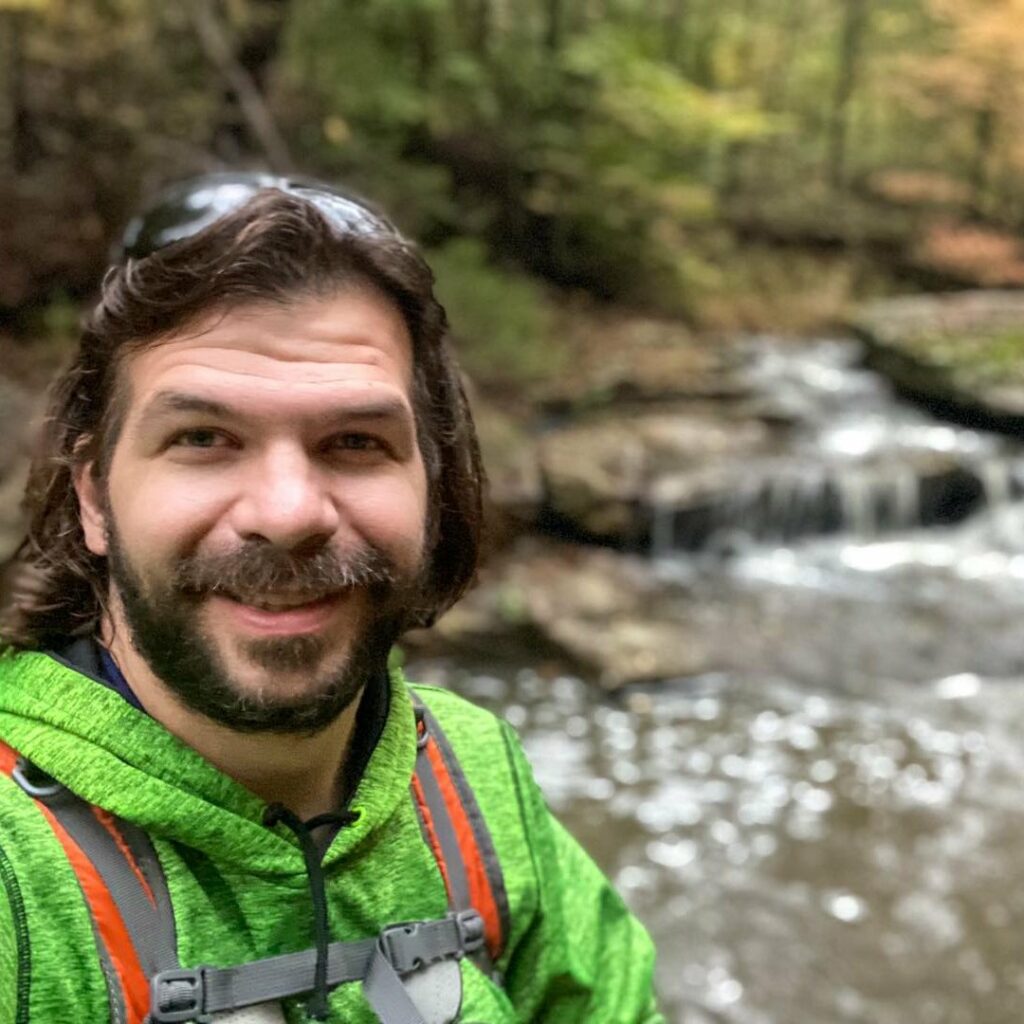
Shawn Gossman
Founder, Hiking with Shawn
Shawn Gossman, known regionally as Hiking with Shawn, is the founder and senior editor of this blog. Shawn has been hiking the Shawnee National Forest for over 15 years. Shawn is a Southern Illinois native and very active in the local tourism community. Learn more about Shawn here.