
10 Things Hikers Often Forget to Pack
There are many things hikers often forget to pack, just because it’s easy to forget them.
Trust me, I’ve been there many times. The forgotten items are usually obvious things like water bottles and boots, too.
In this article, I’m going to point out 10 different things hikers often forget to pack that are easily overlooked, so that you don’t have to make the mistake of leaving this often-critical gear at home.
If you enjoy this article and you’d like to support me for publishing it, please consider leaving me a small one-time donation.
Why Small Forgotten Items Can Ruin a Hike
The things hikers often forget to pack can ruin a hike if they’re not careful about it.
Small and minor items missing can pose significant problems on the trail. It could jeopardize your safety, comfort, navigation, and convenience on the trail. It’s a good way to turn a good day into a bad day.
Now, a lot of the things hikers often forget to pack may not matter on a short hike, but on longer hikes and remote adventures, it might be a show stopper.

1. A Physical Map or Offline Map Download
Many hikers forget to bring physical maps or offline map apps on their hiking apps.
It’s important to note that phones tend to lose battery life more quickly in the backcountry than they do outside of it. When your battery dies, your trail application is gone, and your phone is just an extra useless weight.
If you don’t use offline maps and you rely on cellphone signals to always be present, you might find yourself in a bad situation since most natural areas are free from compatible cellphone towers.
You should consider bringing paper maps, a compass, and downloading any offline maps at home before you venture into the woods. You might also bring your charging cord and a charging brick with you, as well.
2. Extra Water or a Backup Way to Carry It
One of the biggest dangers of hiking is dehydration, which is what happens when you don’t drink enough water.
Many hikers make the mistake of bringing a very minimal amount of water. They’ll use it up really fast and realize they have no more for the remainder of the hike. This can result in a serious problem for thirsty hikers.
Hot weather, hills, and longer hikes will always increase your hydration needs. If you don’t bring enough water for those factors, you’ll be in for a world of problems once you quickly run out of water.
You should always bring more water than you’ll need, have one bottle with electrolytes in it to help quench your thirst, and bring a water filter just in case you need to filter more water from a creek or spring.
3. Snacks With Actual Staying Power
Who would think food would be one of the things hikers often forget to pack, but it’s not just any food; it’s the correct type of food.
In many cases, a simple granola bar may not cut it. A packet of Ramen Noodles isn’t going to work, either. That’s because these items don’t have the carbs and calories needed to fuel your hiking adventure.
Protein, carbohydrates, and salty snacks are important for hiking, especially in moderate to rugged conditions. They provide fuel to prevent fatigue and power the hike for the hiker. Without these types of snacks, you’ll bonk out really quickly.
4. A Lightweight Rain Jacket or Weather Layer
Many hikers forget to bring the type of layer you’d always want to have with you on a hike: weather resistance.
On the trail, in the mountains, in the backcountry, the weather tends to change quickly. The forecast may have said no rain, but anymore, that usually means you can expect rain. Not being prepared to layer up for that will turn any good hike into a soggy, not-so-fun hike.
Rain coats are lightweight and really easy to pack. You could pack an oversized rain poncho to act as both your rain layer and an emergency shelter if needed.
5. Sun Protection
Most of the time, when hiking in the woods, you don’t even think about sun protection.
Truth is, the sun can still get to you, and ignoring sun protection might result in getting cancer and other bad stuff like that in the future. Simply paying attention to sun protection can prevent all that from happening.
You should at least consider sunscreen, a hat, sunglasses, and lip balm. There few items that weigh practically nothing and are nice to have when you need them the most.
The sun can still get to you through the trees. Snow blindness is a real thing. If you get into any water, you can bet the sun will be there to blind you, too.
6. A Small First Aid Kit
Out of the things hikers often forget to pack, a first aid kit should never be one of them, but often is.
Not having a first aid kit when you need it reminds you of making such a terrible mistake. Listen, you don’t have to have a trauma kit on you at all times. You should at least carry the basics with you that you’re likely to use on the trail.
Bandages, blister care, pain-relieving medication, and antiseptic wipes are a good start. I carry extra things like a tourniquet and blood clotting powder. It’s nice to have these things when you need them the most.
Something as simple as a blister can ruin your hike if you have nothing to cover it up with, so you don’t have to be in pain the whole time.
7. Toilet Paper or Bathroom Supplies
Toilet paper is among the things hikers often forget to pack, which turns out to be a big and messy mistake.
One of the most forgotten hiking essentials is toilet paper. You just don’t think about it because the need to poop doesn’t hit you until you least expect it. Then, when it does hit, and you don’t have anything, there goes your socks.
Fix this with a poop kit. TP, wipes, and a little shovel. Remember, Leave No Trace, and that includes used TP that a lot of disgusting people leave behind for the world to see.
8. Headlamp or Flashlight
You wouldn’t go hiking at night without a flashlight, would you? Why would you hike in the daytime without one?
Your hike could take longer than you planned. You could get lost and be in the woods all day long trying to find your way out. You might even get hurt and have to stay where you are. A lot of things can happen and put you out in the woods after the sun goes down.
If you don’t have a light, you can’t see any of the nighttime hazards you’ll often be faced with. My National Forest is full of deep, unprotected wells, and that would scare me the most about hiking at night without a light.
Bring a headlamp. Bring some extra batteries. Be prepared for what could easily happen.
9. Emergency Kit
Every hiker needs to bring an emergency kit with them, especially on longer hikes in the remote backcountry.
Your emergency kit should include a whistle, a multitool, a lighter, an emergency blanket, an emergency shelter, and extra layers. If something happens that requires you to have these emergency supplies and you don’t have them, it might turn into a life-or-death situation for you.
Be smart, accept the extra weight, and be prepared for anything out in the backcountry.
10. An Emergency Contact
This isn’t really a gear item, but it’s definitely among the things hikers often forget to do before they go hiking.
Tell someone where you are going before you go. Print out a map of the trail system you’ll be hiking on and highlight the trail you plan to hike. Tell them when you plan to be back.
If something happens to you and you don’t return, this emergency contact might be what saves your life. Without one, search and rescue won’t even know where to start looking for you.
This is especially important for those of you who hike solo.

Bonus Section: Things Hikers Often Forget Before They Even Leave Home
Here is a list of a few more things hikers often forget to pack that you might want to consider:
- Permits or passes
- Personal medications/Epi-Pen
- GPS or PLB
- Camera or video camera
- Bug spray or bug net
Things Hikers Often Forget to Pack: Conclusion
The things hikers often forget to pack aren’t central to beginner hikers. Even experienced hikers tend to forget things. I do it all the time. It’s in the nature of being a human.
The best possible thing for you to do to never forget anything is to create a checklist of what you need to take and always carry the recommended 10 essentials of hiking.
Just be sure to pack smarter and not heavier because weight does matter for most hiking applications.
If you enjoyed this article and you’d like to support me for creating them for free, I welcome you to consider becoming a Patreon Member to help show your gratitude.
Be sure to subscribe to my free monthly newsletter for more hiking tips, gear reviews, and upcoming events. Join my free hiking and backpacking forum to discuss hiking with me and others all around the world.
And until next time, I’ll see you on the trail!
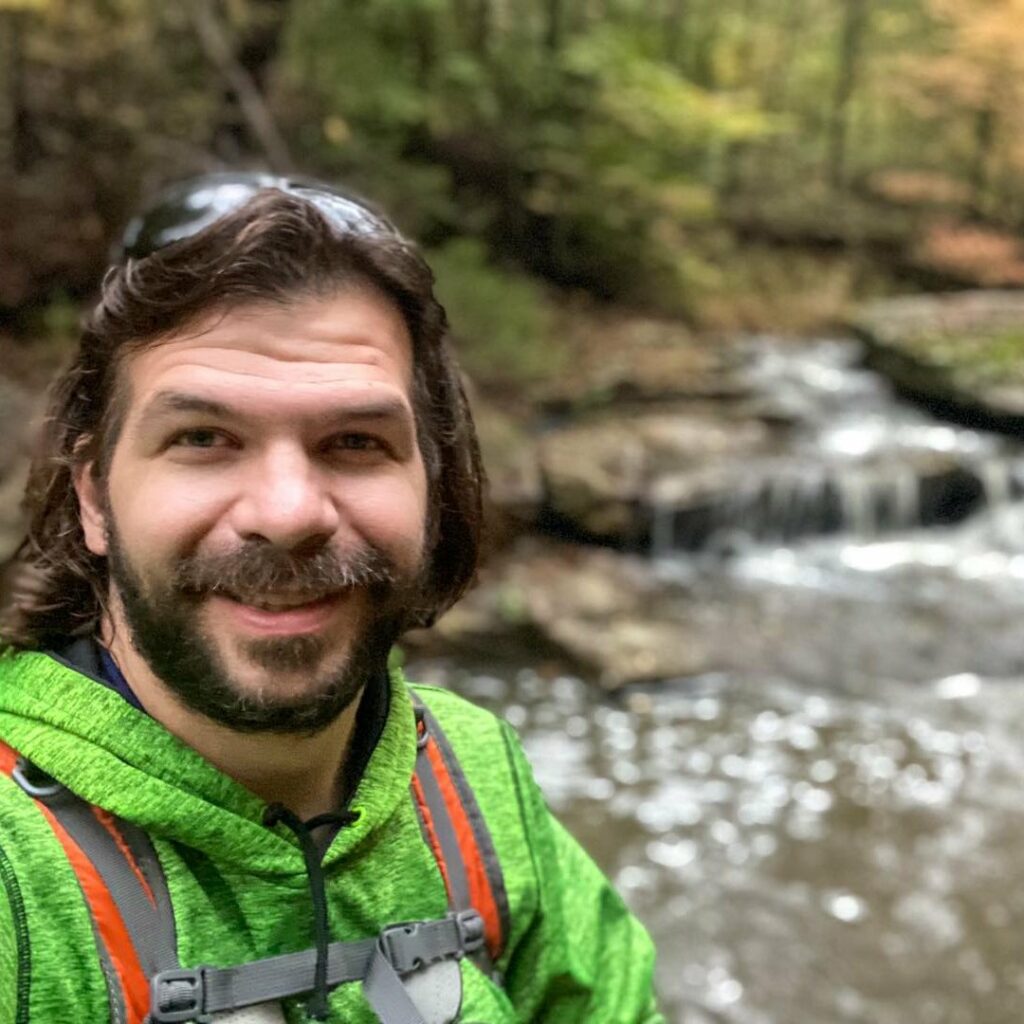
Shawn Gossman
Founder, Hiking with Shawn
Shawn Gossman, known regionally as Hiking with Shawn, is the founder and senior editor of this blog. Shawn has been hiking the Shawnee National Forest for over 15 years. Shawn is a Southern Illinois native and very active in the local tourism community. Learn more about Shawn here.