
10 Mistakes Beginner Hikers Make in Southern Illinois

There are a few mistakes beginner hikers make when they’re hiking in Southern Illinois.
Southern Illinois hiking trails look pretty easy. Until they’re not.
There are bluffs, ridgelines, rolling hills, humid summers, biting bugs, and many trails poorly marked for visual navigation.
Don’t let this scare you away from hiking in Southern Illinois. I’ve been hiking these trails for over 15 years, and I’ve learned enough from experience to help you not make the mistakes beginner hikers make when first hiking in the region.
Follow this guide if you want to learn more about what mistakes not to make hiking in Southern Illinois and how to enjoy your whole hiking experience without worry.
Mistake #1: Underestimating the Terrain
The Shawnee National Forest and Southern Illinois aren’t flat like most of the state above it.
We have ridgelines, rolling hills, and rough terrain almost just as much as Missouri and Kentucky do. Elevation changes rapidly, and rocky surfaces are everywhere.
While we definitely have some easier trails, most hikes in Southern Illinois are moderate to rugged.
This mistake is really easy to avoid, though.
When researching the hiking trail you wish to go on, don’t just stop at the distance of the hike. Look at elevation gain, as well.
As a beginner, you should start with easier trails like the Garden of the Gods Observation Trail and the Rim Rock Trail. As you get better, you can advance to the harder and more moderate trail systems.
Mistake #2: Not Bringing Enough Water
Among the mistakes beginner hikers make in Southern Illinois, not bringing enough water can be one of the worst.
Southern Illinois isn’t like the rest of the state. In the summer, it can get up to triple digits, and so can the humidity. It gets really hot, really fast.
If you don’t pack enough water, you’ll dehydrate quickly. With the humidity and rolling hills, it won’t take long to deplete your water resources.
Once you run out of water, you start getting fatigued, dehydrated, and may even suffer a medical emergency out in the middle of nowhere.
You should carry more water than you’ll need and drink at least half a liter of water per hour. You might even need to drink more during the hotter days of summer.
When it’s super-hot outside, consider a shorter route, try to stay in the shade, and add electrolytes to your water, since you’ll lose a lot of sodium through sweating.
Mistake #3: Wearing the Wrong Footwear
Most of the trails in Southern Illinois are moderate to rugged and require hiking-specific footwear.
You’ll be encountering slippery and jagged rocks, exposed roots, overgrown sections of the trail, and mud from heavy use and horse riders.
Our trails aren’t favorable for Croc and flip-flop-wearing hikers. I wouldn’t even suggest wearing footwear like that in our state parks, which usually have easier trails.
At least wear trail-running shoes with outdoor traction for rugged hiking trails. In the winter, you’ll want to consider real hiking boots, especially waterproof boots if you plan to cross creeks.
Be sure to break in new hiking shoes or boots on easier trails before taking them on longer hikes to prevent blisters and other unwanted foot injuries.
Mistake #4: Ignoring the Weather (Especially Heat & Storms)
Southern Illinois has a smorgasbord of weather phenomena year-round.
We’ll get sudden severe thunderstorms out of nowhere. It’ll be blazing hot during the day and feel like winter during the night.
I remember hiking in shorts one October during the daytime and then layering up at night because it started snowing.
Tornadoes, flash flooding, extreme humidity, freezing cold, and ice storms are no strangers to Southern Illinois.
Getting caught out on the trail in extreme weather can be life-threatening.
Before you go on a hike, check the weather. Don’t just check the weather a few days or a week before your hike. Check it on the day of your hike and fully understand what to expect.
Understanding the current forecast will help you wear and pack the right gear, abort a hike at the last minute to avoid disaster, and know where not to go in the event of a flash flood.
Mistake #5: Not Knowing the Trail Route
Unfortunately, one of the biggest mistakes beginner hikers make in Southern Illinois is getting lost on the hiking trails.
I won’t sugarcoat this. Our trail signage stinks in many areas. Some trails don’t have any signage at all, or the signage blends in with nature so much that it’s really easy to miss the signs.
There are also many unofficial side trails, user-made trails, and horse trails that aren’t properly blazed, so you know what you’re getting yourself into.
The best option is to use a dedicated GPS unit or a map app on your smartphone.
If you use a smartphone, make sure you can download maps for offline use, since the forest often has poor phone signal. I recommend AllTrails. If you use my link to upgrade, I’ll earn a commission, but it won’t affect your price.
Another good idea is to take photos of maps at trailheads to get an idea of where you might be if you can remember the junctions that you took.

Mistake #6: Starting Too Late in the Day
Many hikers skip hiking in the summer because of snakes, spider webs, and overgrown trails throughout the forest.
Most of our longer trails are usually over five miles. That length, combined with rolling hills and hiking fatigue, will require a longer hike.
In the colder months, the sun goes down early. By 5:30 PM, it could be pitch black outside. The summer months often have daylight up until close to 9:00 PM.
Make sure you understand when the sun goes down. Bring a light with you just in case you don’t make it out before dark.
I suggest you start early in the winter months. Start before the sun fully rises so you can make the most of the daylight you get.
Try to plan a turnaround time when you absolutely know you’ll need to turn around so that you can get off the trail before darkness falls, unless night hiking is your thing.
Mistake #7: Not Preparing for Bugs (Ticks & Mosquitoes)
Southern Illinois has plenty of biting insects that become pests for hikers in the summer months.
We have ticks, seed ticks (often called turkey mites), black flies (often called buffalo gnats), horseflies, and plenty of mosquitoes. These insects are exceptionally abundant in swampy areas such as LaRue Pine Hills, Cache River, and Horseshoe Lake.
Most beginner hikers don’t expect our biting insects, and they become victim to their wrath.
Luckily, you can totally prevent most bites from these little devils.
Use permethrin on your gear, footwear, and clothing. Permethrin can even be sprayed on synthetic materials like polyester and spandex without harming them. Permethrin will stop most ticks from getting on you.
For the rest of biting beasts, I recommend DEET-based mosquito repellents. If you’re not a fan of chemicals, I’ve also had some luck with lemon-grass, but it often means you have to apply it very regularly, especially if you sweat a lot.
Always check yourself, your children, and your pets for ticks after every hike.
Mistake #8: Skipping Basic Safety Gear
Many mistakes beginner hikers make are often in terms of the gear they should bring, but in reality, it’s the gear that they forget to bring.
If you don’t have a flashlight and you get lost or stranded, you’ll be hiking in the dark. If you don’t have a first aid kit and you get hurt, you might get an infection. If you don’t have extra layers and it gets cold, you might be very uncomfortable.
Fix this mistake by simply carrying at least the 10 essentials of hiking. I even wrote a very special guide that shows you what 10 essentials you’d need specifically for hiking in the Shawnee National Forest.
Bring the basics. Bring safety gear. Bring extra water. Bring a snack. I’d rather you pack too much than leave out the things you need most.
Mistake #9: Overestimating Fitness Level
I live in Metropolis. It’s the Home of Superman. Guess what? You’re not Superman, so don’t try to act like it on the hiking trails.
“It’s only 3 miles” can turn your hiking experience into a struggle if you have overestimated your fitness.
Three miles on an easy flat loop would likely be simple. Three miles in 100-degree heat, over rolling hills and rocky terrain, is going to feel more like ten miles.
Instead of trying to hike the hardest trails in Southern Illinois, start out with easy and short loops. There are plenty of them in our state parks, like Giant City and Ferne Clyffe. I even started with short, easier loops before hiking the more rugged trail systems.
You should also take as many breaks as you can. There is no shame in a break. Anymore, when hiking up a hill, I’m taking at least one break in the middle of the climb.
Mistake #10: Not Respecting Trail Conditions
The trail conditions in Southern Illinois and the Shawnee National Forest can get pretty intense.
We have over 400 miles of hiking trails. A lot of that trail is used by horseback riders. Sometimes the riders leave significant damage along the trails. This often makes hiking conditions very strenuous.
If the trails are wet and muddy, they’ll be slick and hazardous.
Make sure you watch your step. Most fatalities in the Shawnee National Forest are from hikers falling because they slip or lose their footing.
Don’t become a statistic. Leave the trail with good memories, not severe injuries.
Tips to Avoid Mistakes Beginner Hikers Make
The best time to hike in Southern Illinois is late fall, winter, and early spring. The summer is still nice, but it’s hot and very buggy.
Waterfalls in Southern Illinois are 100% rainfall dependent. They’re not being fed by constant springs. In the summer, waterfalls are often dry because we have frequent droughts. The fall and winter are usually when we get most of our precipitation.
If you want to visit the more popular spots in the Shawnee National Forest but don’t want to deal with crowds, go during the week if you can, and start really early in the morning. You’ll see fewer people out at that time of day than on weekends, when it’s really nice outside.
If you’re a beginner hiker, I suggest you start with the easier trails in state parks and the shorter trails around the Shawnee National Forest until you get better at hiking.
Hiking with Shawn’s Final Thoughts
You don’t have to make all the mistakes beginner hikers make, but you’ll likely end up making some of them.
It’s okay. We all make those mistakes at some point. You just have to make sure you learn from them and better your hiking experience for the future.
If you found this article helpful and you’d like to support me in creating it, consider leaving me a small one-time donation. Every cent helps to motivate me to continue making more of these free guides.
If you’re new to hiking in Southern Illinois and need a guide, I offer private guided hiking services at a very affordable price.
Subscribe to my free monthly newsletter for more hiking tips, gear reviews, and upcoming events in and around the Shawnee National Forest.
If you enjoy discussing hiking, backpacking, and camping with others, join my free community, The Hiking Forum, and come discuss hiking with us, no matter where you are.
And until next time, I’ll see you on the trail.
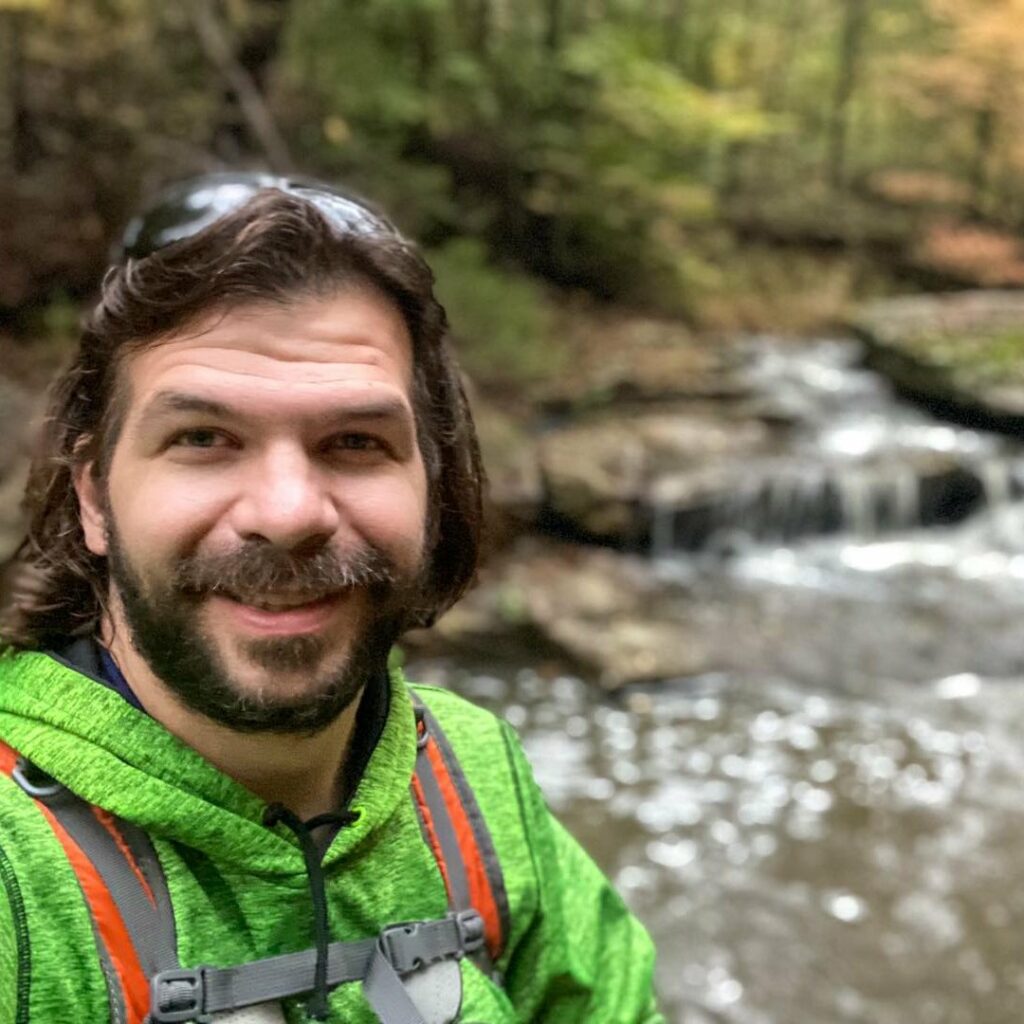
Shawn Gossman
Founder, Hiking with Shawn
Shawn Gossman, known regionally as Hiking with Shawn, is the founder and senior editor of this blog. Shawn has been hiking the Shawnee National Forest for over 15 years. Shawn is a Southern Illinois native and very active in the local tourism community. Learn more about Shawn here.