
10 Ways to Beat Hiking Fatigue
If you can beat hiking fatigue, you’ll feel like you can hike anywhere and for any distance.
Hiking fatigue happens to us all.
One minute you’re enjoying your hike, and then all of a sudden, your legs feel like noodles, your pack feels like someone put bricks in it, and every hill makes you spit out profanities.
But there is good news.
You can beat hiking fatigue. I’m going to show you how to do it with this guide. The best part? It’s easy to do and doesn’t require you to spend a lot of money.

1. Start with the Right Trail for Your Fitness Level
The most efficient way to beat hiking fatigue is to NOT do more than your hiking abilities allow you to do.
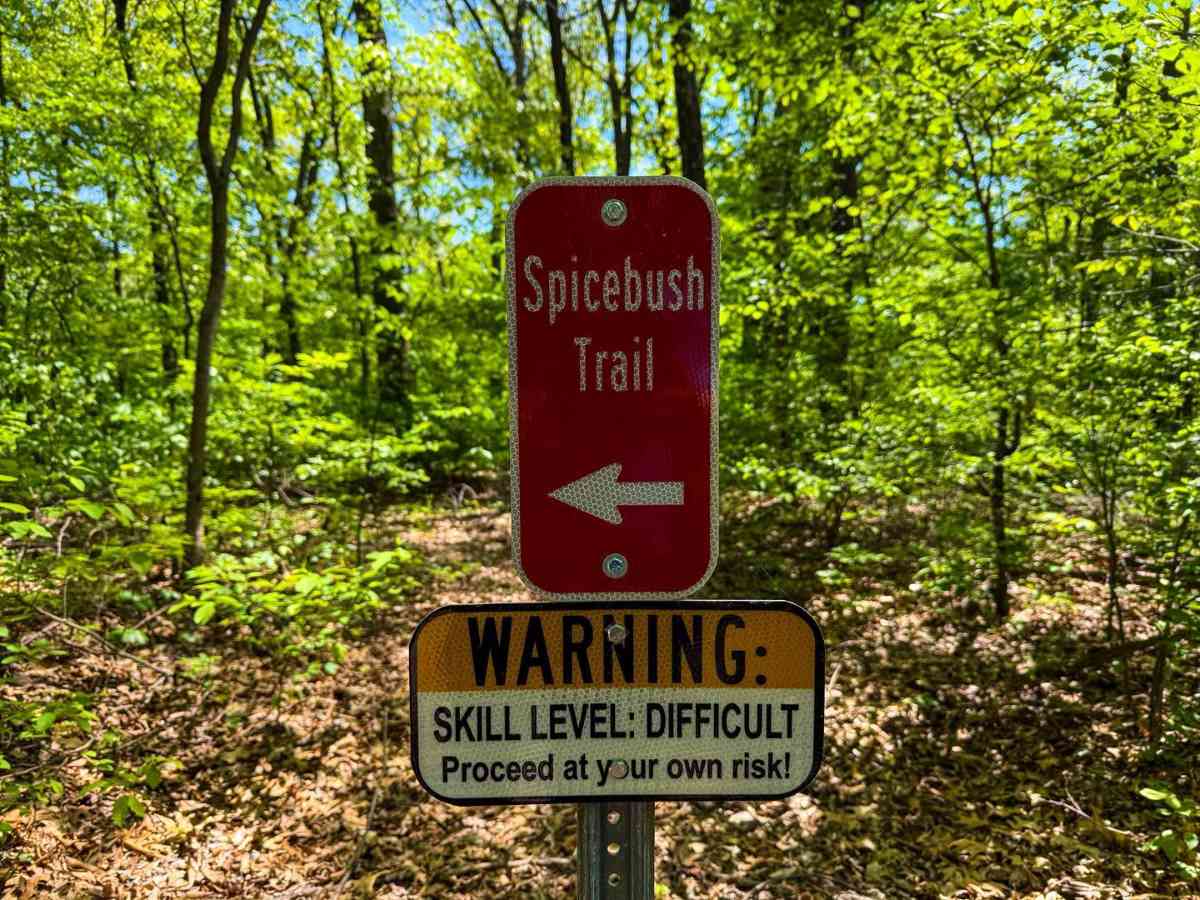
Choose hiking trails that match your current abilities. Don’t just hike any hike and ignore the difficulty rating.
I’m a pretty good hiker. I can hike anything in the Shawnee National Forest. But I’m not about to attempt a 14er hike because I haven’t tried for it. I don’t think I would make it.
When choosing a hike based on your abilities, make sure you consider:
- The distance of the hike and how far you can go without feeling bad.
- Elevation gain and how steep and hilly the hike will be.
- Surface of the trail to determine how technical the hike is going to be.
- Weather the day of your hike, as it could be freezing cold or sweltering hot.
- Creek, stream, and river crossings, and your ability to cross them.
- Distance away from other people and help if you were to require it.
If you’re new to hiking, please start out with a shorter and easier hiking trail. As you get better at hiking, you’ll quickly be able to move up to more challenging and longer trails.
The key is to gradually enhance your hiking abilities so you can beat hiking fatigue before it happens to you.
2. Pace Yourself Early
You can beat hiking fatigue by not wasting all of your energy at the start of your hike.
When you first start hiking the trail, that first mile will go by really quickly. It feels easy, and you feel fresh. It might make you want to speed up your pace and get more miles in at a faster rate.
Your body will make you pay for this later on during the hike.
You’ll hit a wall. You’ll become tired and sore. You’ll slow down to a pace you don’t want to be at. You’ll probably be pretty sore, too.
You should start slower than you normally hike. Walk at a pace where you can carry on a normal conversation without having labored breathing. Slow down on hills.
Remember, you need to save energy for your return trip.
A good rule to go by is that if you can hardly breathe while talking out loud, then you need to slow down a little.
3. Drink Water Before You Feel Thirsty
You’ll beat hiking fatigue if you’re hydrated properly.
If you’re all of a sudden thirsty when hiking, it means you’ve gone too long without hydrating.
By the time you’re thirsty, you’re already behind in hydrating properly. You’ll definitely feel fatigued. You might get dizzy, start cramping up, and make poor decisions about your next steps.
This is completely preventable.
Hydrate before you start your hike. I make it a golden rule to hydrate so much that I have to pee before I can start hiking. That will get you ready for the first bit of your hike.
Then make sure you’re taking a few sips of your hydration once every 30 minutes. On hotter days, I would do it once every 15 minutes.
Make hydrating easier by using a water bladder because you don’t have to stop or change your pace to worry about a water bottle.
Make sure you bring more water than you’ll need and even a water filter, just in case you need to filter more water from a creek or something like that in the event of an emergency situation.
4. Replace Electrolytes on Longer or Hotter Hikes
Water isn’t always going to make you beat hiking fatigue, especially when it’s so hot you lose your natural sodium with each step you take.
As you hike in the heat, you’ll sweat. Even if you don’t sweat that much, you’re still sweating somewhere. Each time you sweat, you lose natural sodium and electrolytes, and that you cause you to get fatigued.
Water alone doesn’t replace the sodium and electrolytes you need.
Get some electrolyte tablets to put in your water. You might also find some Sports Drinks that provide electrolytes. A salty snack will also put sodium back into your body.
Every 15 to 30 minutes, make it a habit to take a bit of your snack and wash it down with 2 to 3 big swigs of your water with electrolytes in it. This process will help stop you from getting fatigued and will make hiking a lot easier.
5. Eat Small Snacks Before You Crash
You’ll burn a lot of energy while you hike, and you need something to get that energy back into your system.
If you’ve reached a point where you are shaking, weak, and grumpy, then you have waited too long to replenish energy.
Trail snacks are a favorite topic amongst hikers. It’s not because we love snacks (well, it’s that too!), it’s because snacks give us more energy to keep hiking.
Try to pack snacks with a good amount of carbs, sodium, and calories to help fuel your hike, such as:
- Energy bars
- Trail mix
- Jerky
- Nut butter packets
- Crackers
- Dried fruit
- Gummy candy
- Gels
- Sandwiches for longer hikes
Eat small bites, take big drinks, and make your snacks last throughout your entire hike to beat hiking fatigue.
6. Take Short Breaks Before You Need Long Ones
Hikers shouldn’t hike until they need to take a really long break because it’s pretty much too late at that point.
Long breaks are known to cause you to become more fatigued because you’re calming down and telling your body that you’re done and it’s time to start the recovery process.
Rest is not a weakness. It is a strategy as long as you do it right.
Briefly stop for a 2 to 5-minute break in the shade. Stretch a little bit. Eat a snack and hydrate. Sit only if you really need to.
A short break will do a lot for you while you’re hiking. Take one every 30 minutes to an hour, and you’ll feel a lot better on your hikes.
7. Lighten Your Pack
If you really want to beat hiking fatigue, then you need to start thinking about becoming more of an ultralight hiker.
So many hikers carry more gear than they need to. Trust me. I did it for years before I finally made changes. When I made the changes, hiking got significantly easier.
You should really only pack what makes sense to carry for each hike you do. Take into account the trail length, difficulty, water sources, and elevation gain.
Try to use lightweight gear as much as possible. If you can make one piece of gear replace multiple items, you should do it. For example, an oversized rain poncho is great for a raincoat and a shelter if you need it, instead of packing a small tent.
Don’t carry duplicate items. Keep essential hiking gear and ditch any clutter that you take with you. Balance the weight of your pack properly on each side, bottom, and top of your pack.
Don’t be reckless about this. Don’t sacrifice water and safety gear just to save on weight.
8. Wear the Right Shoes and Socks
The wrong shoes and socks will not only make you tired, but they might also give you blisters and make your feet hurt for the entire hike.
If your feet become fatigued, then your whole body will become fatigued shortly after.
Bad-fitting or non-outdoor-rated shoes will cause blisters. They can make your feet swell up. They’re making every step you take harder and harder.
You need to either wear hiking boots, hiking shoes, or trail runners. They need to fit you properly, too.
Make sure you break in new boots and shoes on shorter hikes before you use them on longer ones.
Avoid cotton socks. Using moisture-wicking socks makes for hiking, trail running, or mountain biking.
If you start to get a hot spot on your foot, you can take care of it before it turns into a blister. Put moleskin or a simple band-aid over it, and that will often be enough to protect it from turning into something painful.
Something as tiny as a blister can be the one thing that ruins your entire hike.
9. Use Trekking Poles
Trekking poles can help you defeat hiking fatigue if you use them the right way.
These poles will reduce strain on your knees, help you with your balance, and give your upper body some fitness to help even out your activity more.
Trekking poles can help you get through muddy, rocky, steep, and uneven terrain safely.
Trekking poles help you get up hills. They help prevent knee pain from going downhill. They give you better stability. They help you cross creeks more easily. They work better on muddier trails.
Trekking poles might be exactly what you need to beat hiking fatigue.
10. Know When to Turn Around
This is a big one. Knowing when it’s time to turn around and go back is one of the best ways to beat hiking fatigue.
Pushing through it when you shouldn’t be pushing will wear you out.
If you’re feeling any of the following symptoms, then you need to consider turning around because it’s only going to get worse:
- Dizziness
- Confusion
- Nausea
- Cramping
- Weakness
- Heat illness signs
Make sure you’re watching your water supply. If you start to run low and you have no water around you to filter, then it’s time to turn around.
You should also be watching the time and any weather changes. The last thing you want is to be stuck in the middle of the woods in the dark or during a severe windstorm.
The trail is always going to be there for you to hike on a different day, but you’re not always going to be there unless you make better decisions based on your abilities to hike the trail.

Hiking with Shawn’s Final Thoughts on How to Beat Hiking Fatigue
Hiking fatigue happens to every hiker out there.
It doesn’t mean you’re weak. It means your body needs rest, hydration, fuel, a slowdown, or a break from more hiking.
Try to start your hikers slower. Drink as often as possible. Eat your snacks. Take a break here and there. Pack lightly. And turn around before it becomes a real problem.
The goal isn’t to suffer for the duration of your hike; it’s to enjoy the hike and make it back safely.
Thanks for reading my article about how to beat hiking fatigue. If you want access to more exclusive articles, Q&A with me, and more videos, consider becoming a Patreon Member for as little as $3 a month. You can easily cancel anytime if you find that it’s not for you.
Subscribe to my free newsletter for more hiking tips and be sure to join my free hiking and backpacking discussion forum to talk hiking with other hikers all around the world.
And until next time, I’ll see you on the trail.
Shawn Gossman
Founder, Hiking with Shawn
Shawn Gossman, known regionally as Hiking with Shawn, is the founder and senior editor of this blog. Shawn has been hiking the Shawnee National Forest for over 15 years. Shawn is a Southern Illinois native and very active in the local tourism community. Learn more about Shawn here.