
How to Recover Faster After a Long Day Hike

You definitely want to learn how to recover after a long day hike.
Recovery is just as important as the hike itself. Proper recovery is needed to ensure that hiking remains both fun and healthy. If you’re not recovering from a longer hike, you’re not going to have the awesome benefits most hikers are getting.
The benefits of recovery include less soreness, increased energy, fewer injuries, and being able and ready for your next hiking adventure.
Recovery doesn’t just happen after you get done hiking either. It begins before the hike and lasts during and after the hike, too. In this guide, I’ll tell you everything you need to know about how to recovery faster after a long day hi99ke.
Rehydrate as Soon as Possible
The first thing you need to do to recover faster after a long day hike is rehydrate.
You lose fluids while hiking whether you sweat a bunch or not. You need to get those fluids back into your system. Hydrating properly will replace your lost fluids.
It’s important to drink a lot of water before, during, and after your hike. However, water isn’t always enough, especially if you sweat a ton on your hike. You’ll want to utilize electrolytes mixed in with your water to replenish the sodium you lose while hiking.
After hiking, if you’re feeling dizzy, fatigued, or really thirsty, you might be suffering from dehydration, which can be extremely dangerous.
Eat a Balanced Recovery Meal
You should be eating right before and after a long hike as part of your recovery strategy.
Your body needs protein and carbohydrates to function correctly and stay energized. You should eat a balanced meal before your hike and after your hike to help with recovery. You’ll lose that fuel during your hike.
Try not to wait too long to eat after you get done with your longer hike. You need to recover as quickly as possible.
Keep Moving (Don’t Just Collapse on the Couch)
It’s better to actively recover rather than inactively recover.
Try to stay moving without overexerting yourself. Take a short walk, do some light stretching, or do some basic yoga. Gentle mobility exercises will help you recover faster and are really good for your muscles.
After a long hike, if you are inactive, you’ll start to get stiff and experience more soreness, but light movement can help reduce that.
Stretch Tight Muscles
Stretching is really important if you want to recover faster after a long day hike.
Focus on stretching the muscles and body parts that you use the most while hiking, such as:
- Calves
- Hamstrings
- Quadriceps
- Hip flexors
- Glutes
- Lower back
It’s easy to forget to stretch. One thing I like to do is write a note and stick it on my steering wheel to remind myself to do it when I get back from hiking. You’ll feel so much better after you stretch a little after a big day hike.

Elevate Your Feet
Your feet have taken most of the beating, so you need to try to focus on their recovery after a longer day hike.
Elevating your feet will do a lot for recovery. It helps reduce any swelling. If your hike was rocky with a lot of elevation gain, elevating your feet is going to feel really good.
You can easily do this at home, too.
Take Care of Your Feet
Take care of your feet because as a hiker, they’re typically your biggest asset.
After a long hike, clean your feet and dry them out. Whether you clean just your feet or simply take a full bath or shower. Just get them clean, dried, and happy.
If you find any blisters or hot spots on your feet, after you clean and dry them, take care of these areas and cover them up to prevent further issues.
Use a moisturizer on any cracked skin. Check your feet for any ticks or bug bites. Look for any cuts or scrapes and treat them as needed.
Consider Foam Rolling or Massage
Using a foam roller or getting a massage can also help you recover faster after a long day hike.
Rolling or massaging after a hike feels great and helps to loosen anything tight. This especially benefits muscles around the neck, shoulders, back, arms, legs, and feet. Doing this will help reduce tightness, which is often the reason for soreness.
Be gentle about rolling and massaging so that you don’t get hurt or pull a muscle.
Get a Good Night’s Sleep
It’s important that you get a good night’s sleep after a long day hike to properly recover.
Recovery works even faster while you sleep. You need to get at least 7 to 8 hours of sleep after a big hike. Your body needs the rest.
Try to get into the habit of getting better sleep each night if you want to recover faster after doing harder hikes.
Listen to Your Body
You know your body more than anyone else.
You should be able to tell normal soreness from your active lifestyle versus actual pain that doesn’t go away. Monitor soreness but seek medical attention if you’re in pain. Ignoring pain can lead to further injuries.
If you can’t quite recover after a full day, then take another day off to recover more. Sometimes the body needs a few days before it fully recovers. It all depends on your fitness level and health.
Prepare for Your Next Adventure
While you recover after a long day hike, you’ll have time to prepare for your next hiking adventure.
- This is a good time to clean your gear.
- You can inspect and refill your first aid kit if needed.
- Be sure to recharge all your batteries and electronics.
- Take the time to wash your water bottles and hydration reservoirs.
You can also review what went well and what didn’t and use that information to better understand your next longer day hiking adventure.

Common Hiking Recovery Mistakes
When trying to recover faster after a long day hike, try to avoid making the following mistakes:
- Not drinking enough water afterward. Dehydration will follow.
- Skipping meals. You need to refuel yourself after a long hike.
- Ignoring foot care. Your feet are your most important piece of gear.
- Sitting still for the rest of the day. You’ll stiffen up and be sore.
- Returning to intense activity too soon. You could become injured.
You’re bound to make some mistakes. Use them as a learning opportunity so you can recover better next time.
Recover Faster After a Long Day Hike: Checklist
Use this checklist to recover faster after a long day hike:
- Drink water and electrolytes.
- Eat protein and carbs.
- Walk for 5–10 minutes.
- Stretch major muscle groups.
- Elevate your feet.
- Check your feet for hot spots or blisters.
- Foam roll if needed.
- Get plenty of sleep.
How to Recover Faster After a Long Day Hike: Conclusion
Recovering well means you’ll spend less time sore and more time enjoying the trail.
A few simple habits after every hike can help you bounce back faster, reduce your risk of injury, and make your next adventure even more enjoyable.
Whether you just finished a relaxing 3-mile nature walk or a challenging all-day trek through rugged terrain, taking care of your body afterward is one of the smartest hiking habits you can build.
If you enjoyed this article and you want to support me for publishing it, consider leaving me a small one-time tip or becoming a monthly subscriber to my Patreon page for more.
Subscribe to my free monthly newsletter and join my free hiking and backpacking forum for even more hiking tips and resources.
And until next time, I’ll see you on the trail.
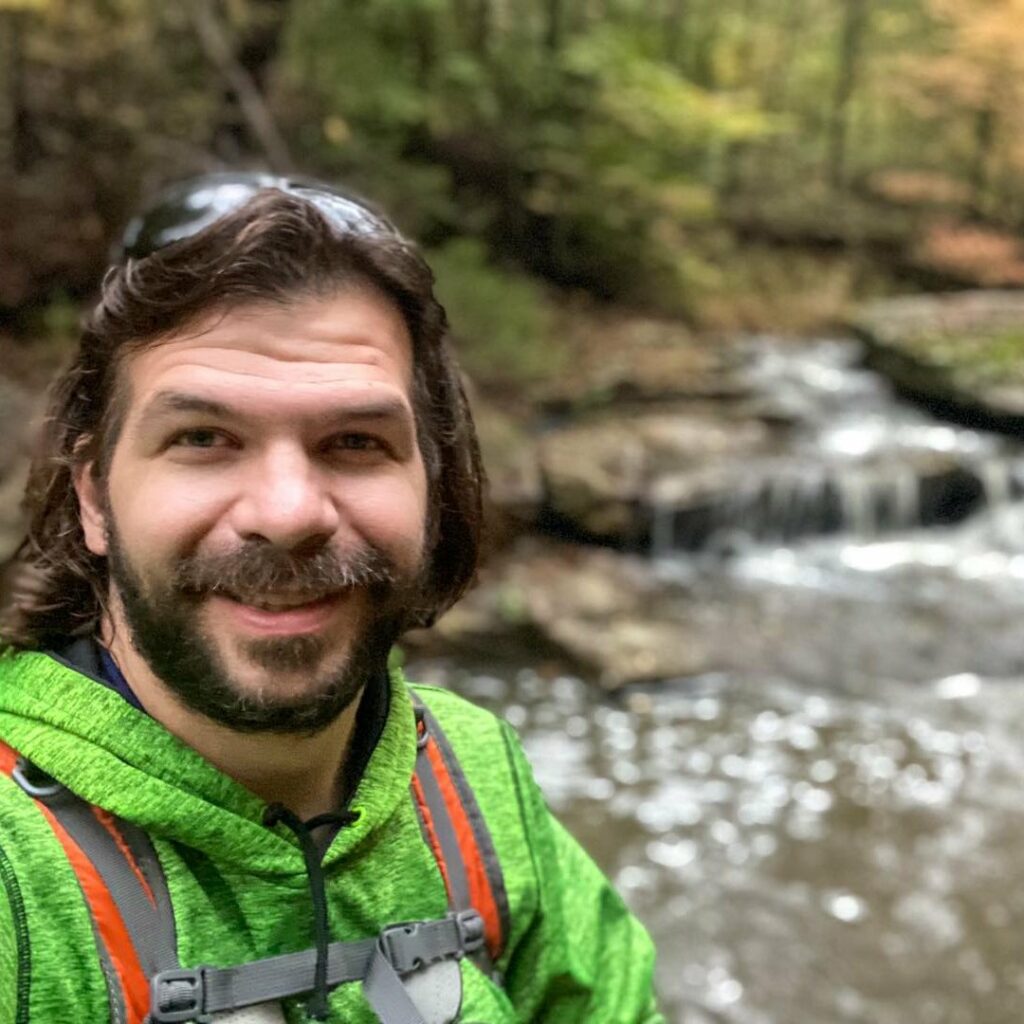
Shawn Gossman
Founder, Hiking with Shawn
Shawn Gossman, known regionally as Hiking with Shawn, is the founder and senior editor of this blog. Shawn has been hiking the Shawnee National Forest for over 15 years. Shawn is a Southern Illinois native and very active in the local tourism community. Learn more about Shawn here.